Chemical & Process Filtration Challenges & Material Compatibility
Chemical processing environments place severe demands on separation media. Aggressive reagents, rapid thermal cycling, and high differential pressures cause premature screen failure if material grades and weave architectures are not properly matched to process kinetics.
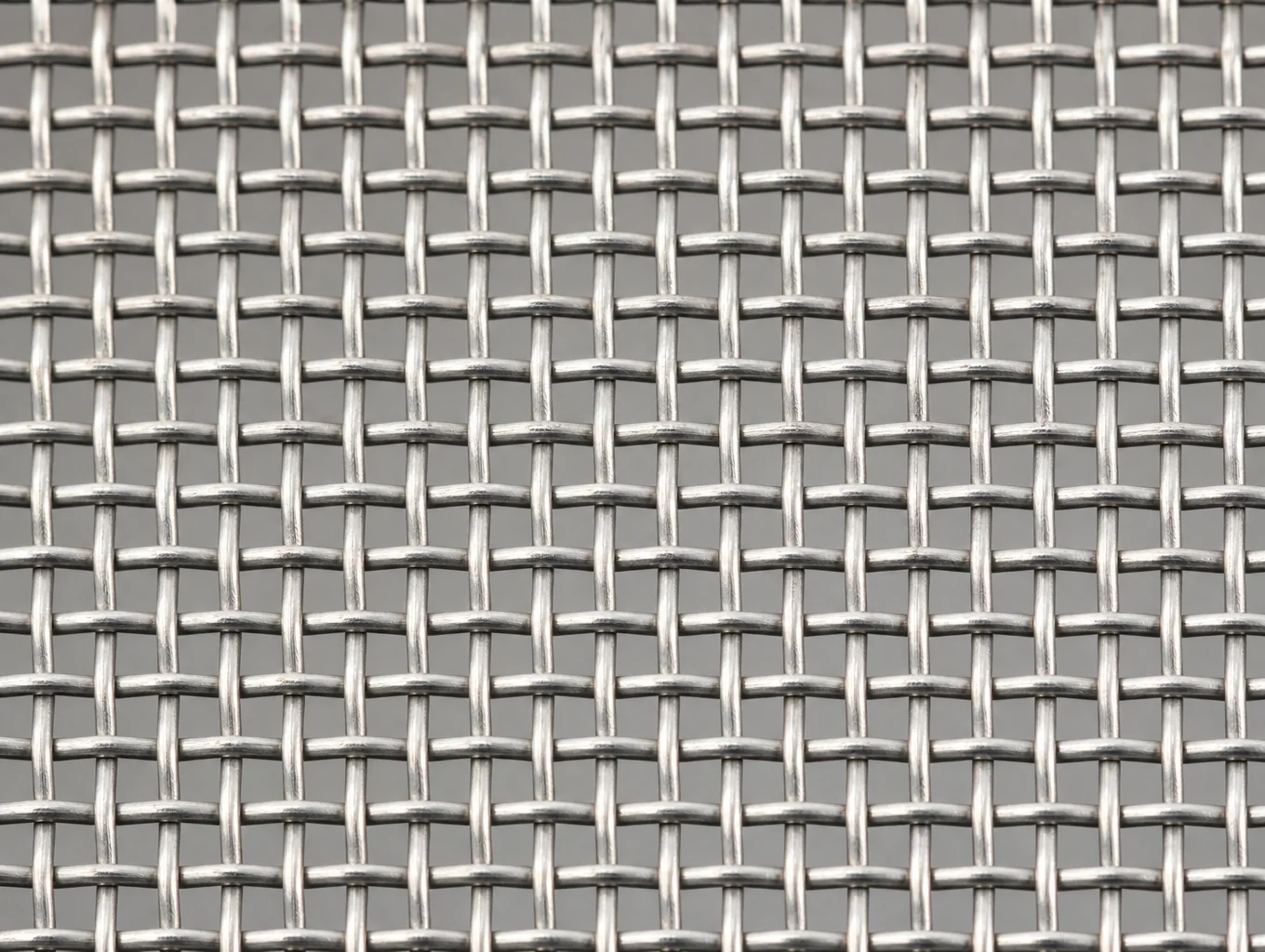
Structural mesh thinning, pore enlargement, and batch contamination.
Deploy high-PREN specialty alloys (SS 904L, Alloy 20, Hastelloy C-22) treated with inert-atmosphere bright annealing and electropolished passivation.
Mesh compaction, aperture distortion, and unscheduled plant shutdowns.
Utilize diffusion-bonded sintered multilayer mesh composites and heavy Dutch weaves rated for structural stability up to 600°C and 300+ bar burst resistance.
Downstream catalyst loss, turbidity spikes, and compromised final product quality.
Specify precision calendered, non-shedding weaves with bubble-point verified ratings from 1μm to 100μm for automated, repeatable backwash cycles.
Media migration, downstream catalyst loss, and process yield degradation.
Install precision slotted support underdrains and multilayer retention nozzles calibrated to resin bead diameters to eliminate media migration.
Facing Unresolved Chemical Corrosion or Media Failure?
Our metallurgists and filtration engineers assist in evaluating process pH, operating temperatures, and slurry viscosity to configure custom woven or sintered wire mesh specifications.
Chemical & Process Filtration Approaches Compared
Selecting the right media structure is vital to avoid chemical corrosion, pressure loss, and premature blinding in harsh processing environments. Review performance values below to match your process media with the correct alloy and mesh configuration.
While single-layer woven wire cloth provides economical, high-throughput surface filtration, multi-layer sintered laminates diffuse-bond wire layers to preserve pore geometry under high-pressure reverse pulsed backwash; for viscous or particulate-heavy slurries, continuous V-slot wedge wire screens prevent blinding and fiber buildup, whereas sintered porous metal powders utilize tortuous 3D depth paths for critical sub-micron liquid and high-temperature gas clarification.
Need a Custom Mesh Specification for Your Chemical Process?
Send us your operating parameters (fluid composition, temperature, differential pressure, target micron rating). Our technical engineering team provides flow calculations, alloy selection sheets, and CAD drawing review within 24 hours.