Understanding how open area is defined, how slot opening and wire spacing control it, and why higher open area boosts flow capacity while influencing strength and clog‑resistance in wedge wire screens.
Read More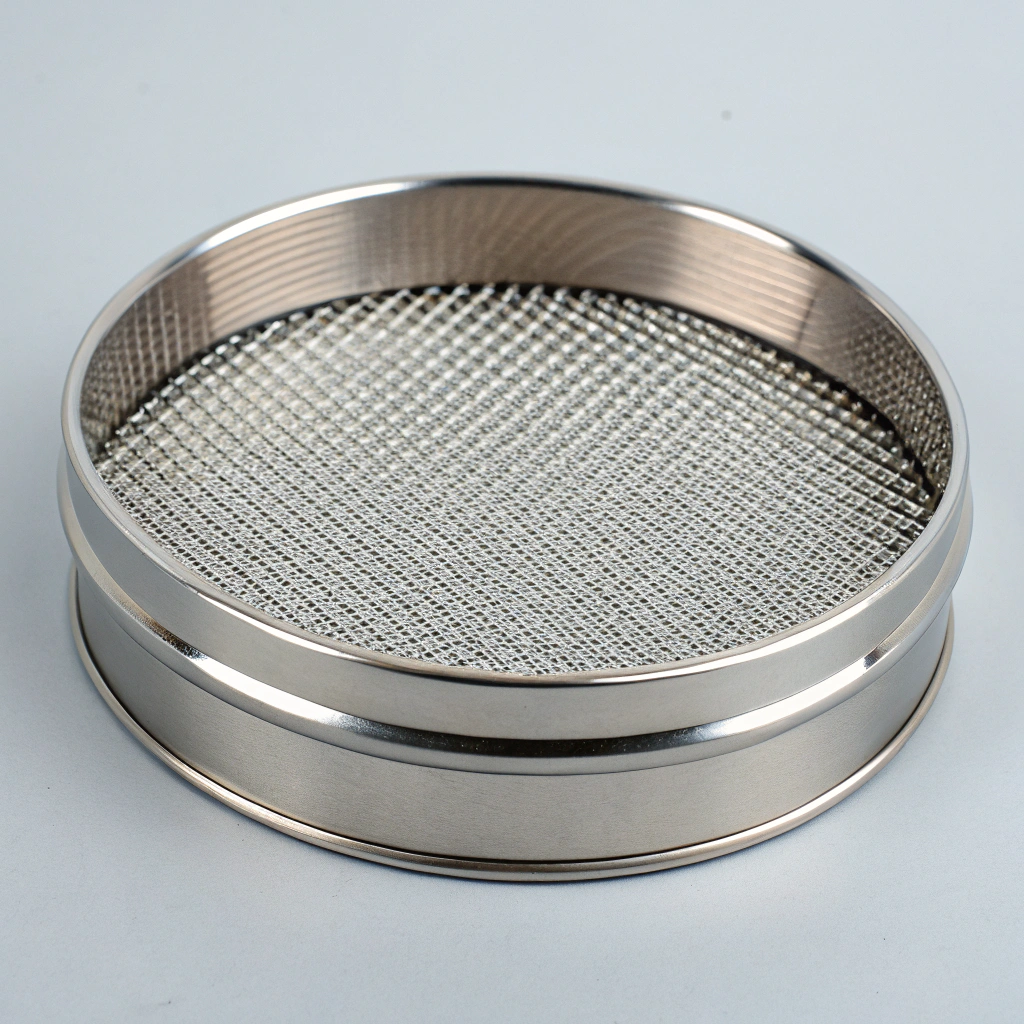
Understanding how open area is defined, how slot opening and wire spacing control it, and why higher open area boosts flow capacity while influencing strength and clog‑resistance in wedge wire screens.
Read More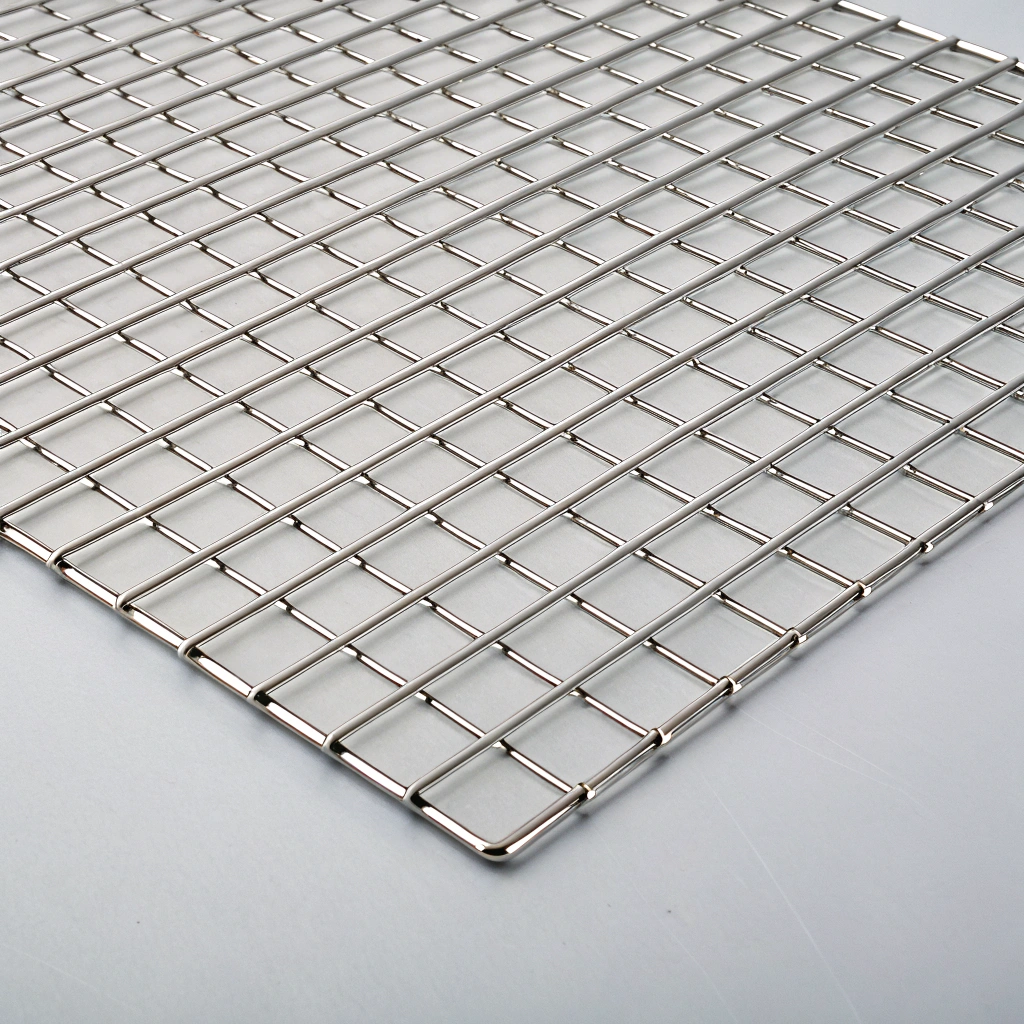
This article clarifies the fundamental difference between slot opening—a linear, continuous gap specific to wedge wire screens—and micron rating, which describes particle retention in woven mesh, and provides practical guidance for specifying wedge wire screens correctly.
Read More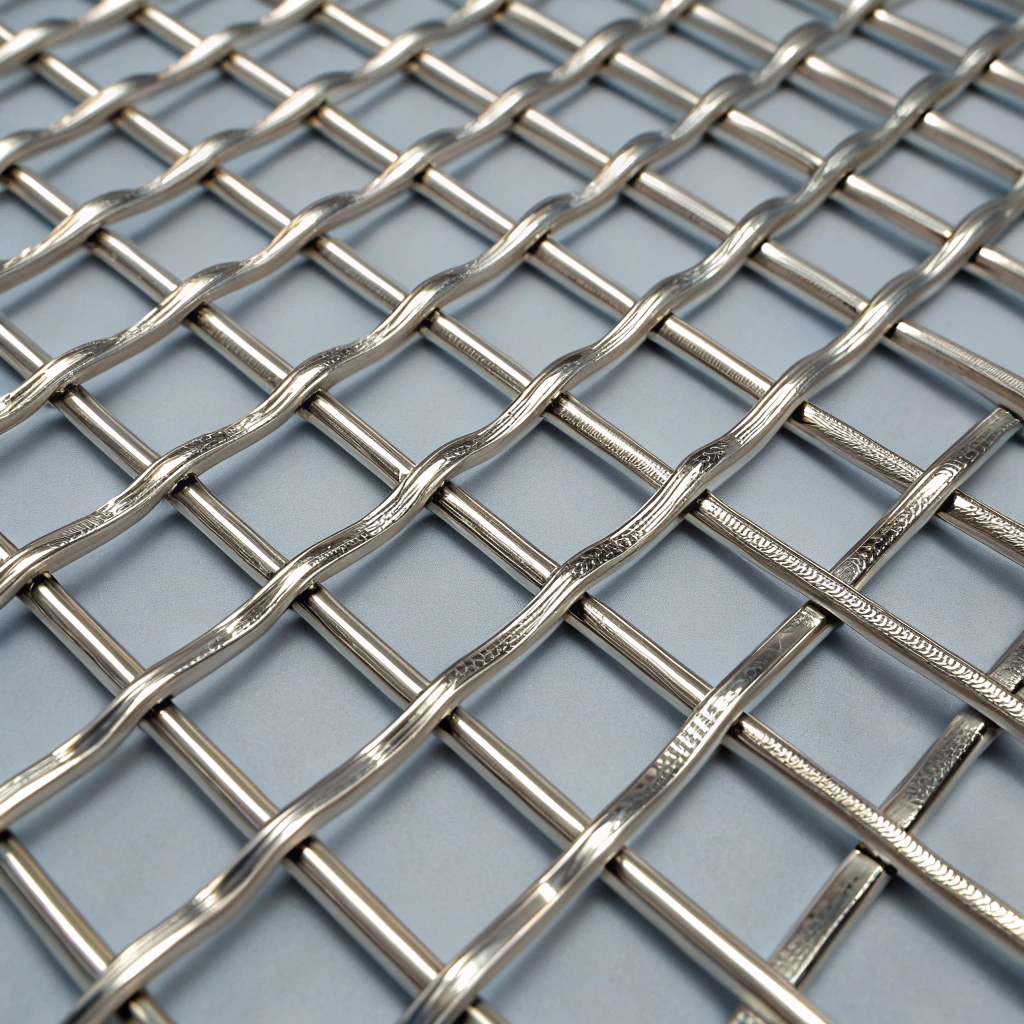
This article explains how the V‑shaped (vee) wire profile creates a self‑cleaning slot, compares alternative profile cross‑sections, and shows how profile selection influences clog‑resistance, flow dynamics, and durability in industrial screening applications.
Read More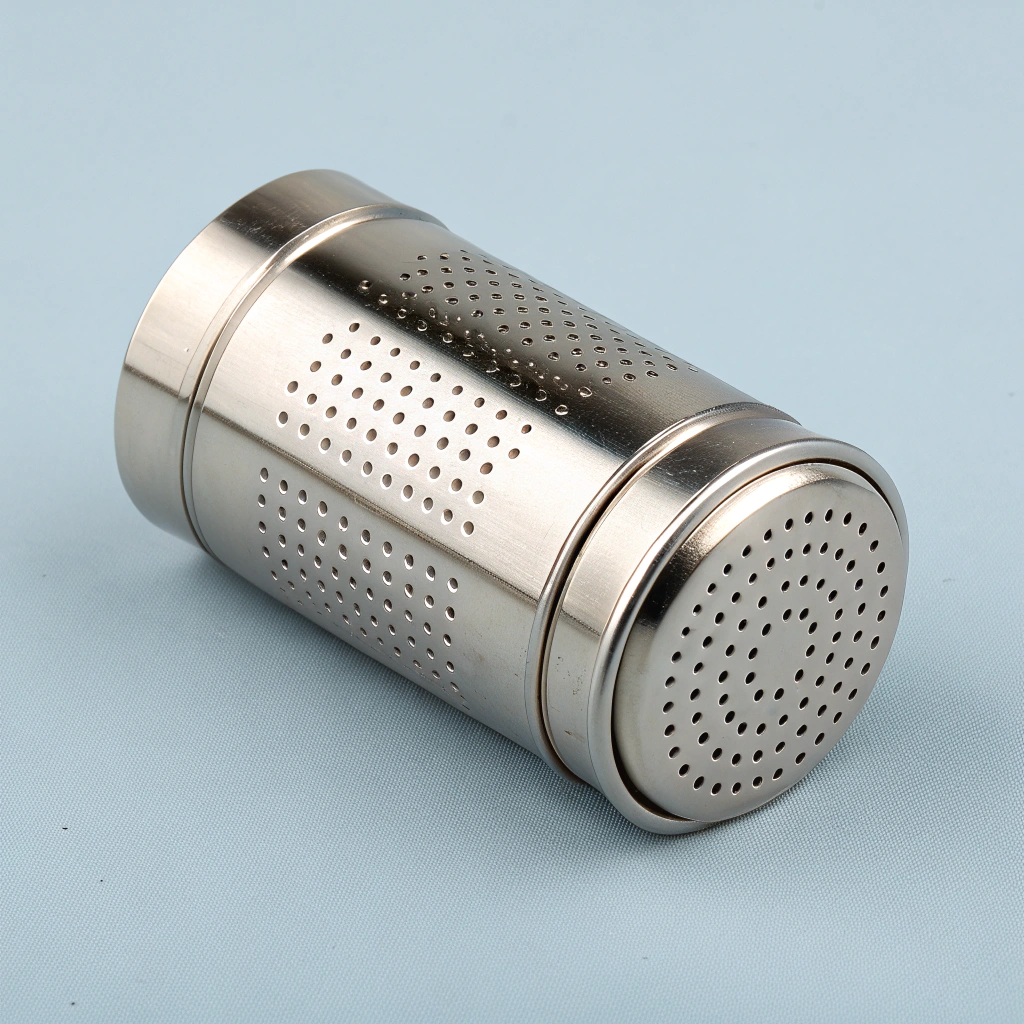
A practical guide that helps engineers select the correct slot opening (0.05 mm – 0.5 mm) for wedge wire filter nozzles based on media grain size, flow requirements, and operating temperature/pressure.
Read More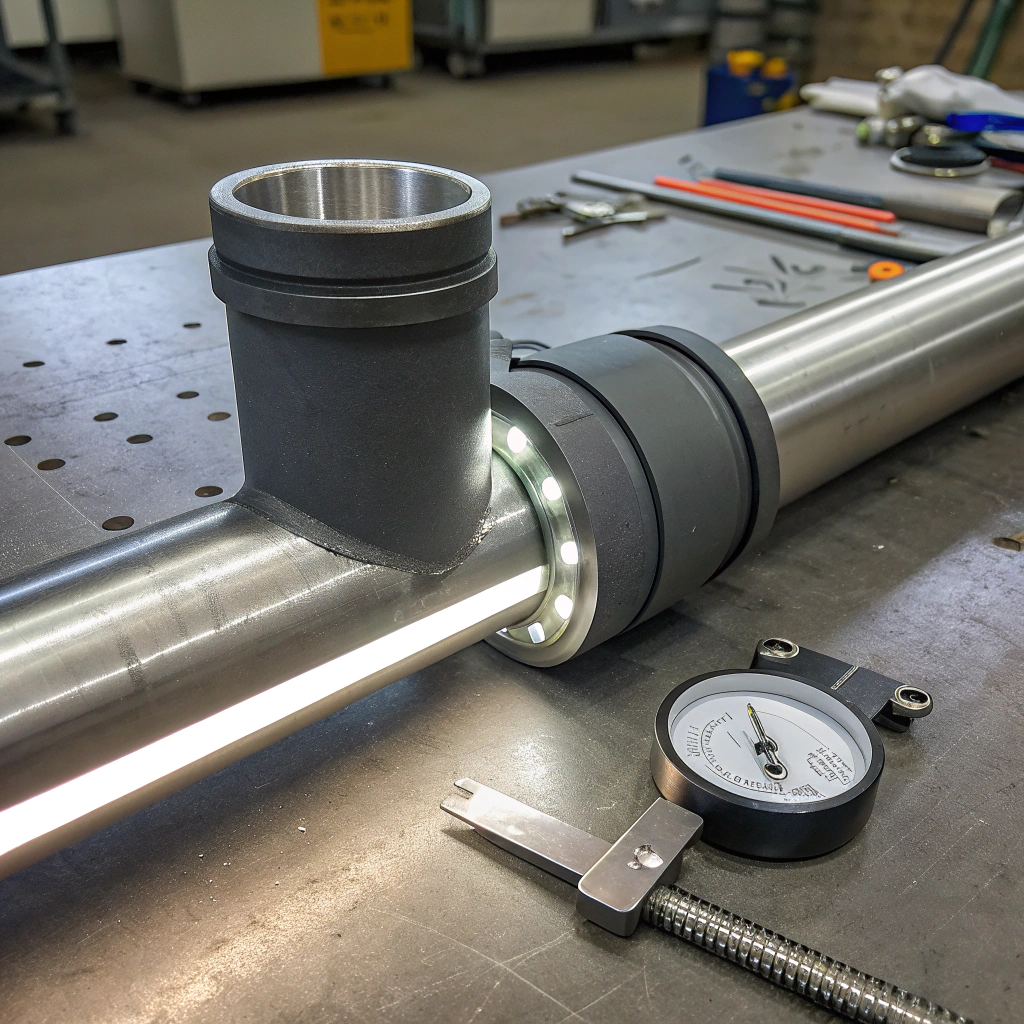
A technical overview of screen tubes built from tubular wedge wire, detailing plasma/laser seam‑welded construction, perforated or wedge‑wire cores, and precision‑machined end caps for self‑contained cylindrical screening solutions.
Read More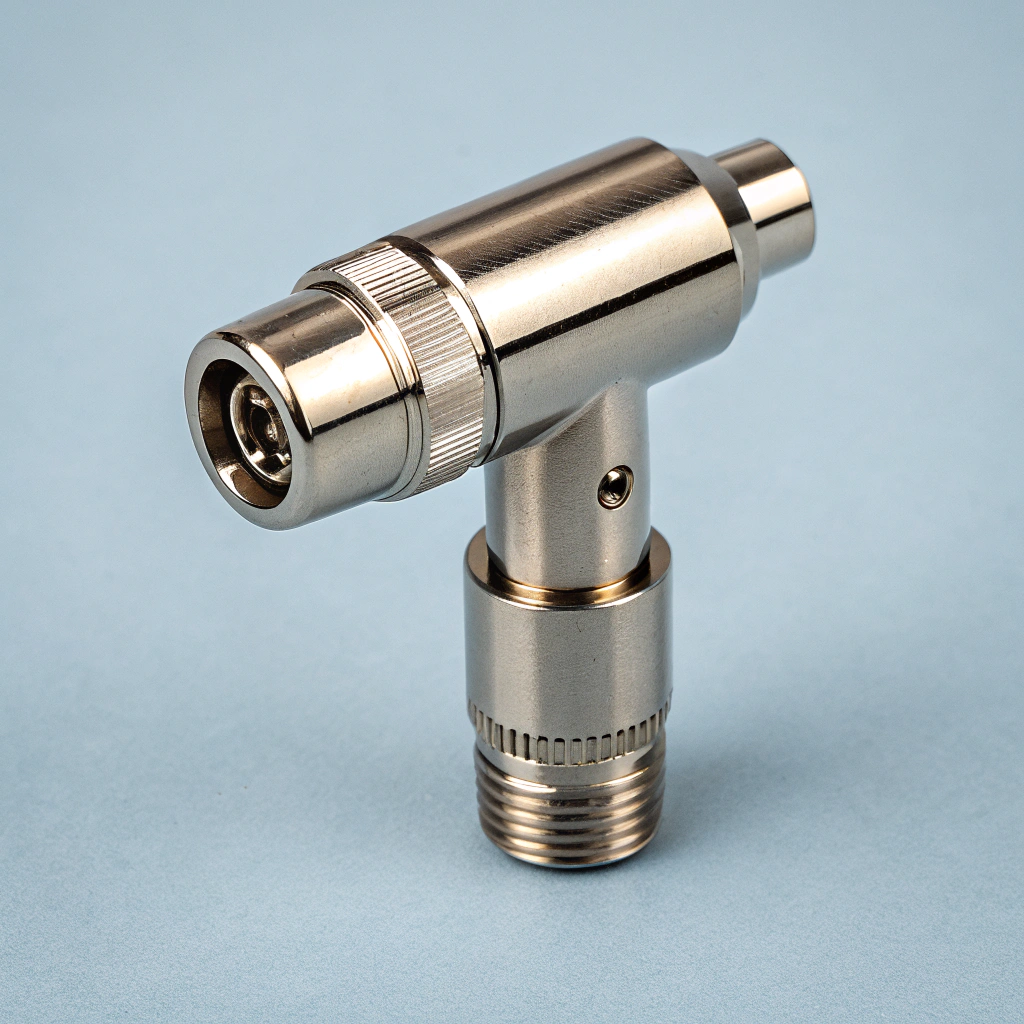
Wedge wire filter nozzles are compact screen‑and‑cap assemblies—available in single‑ or double‑head designs—that provide continuous‑slot filtration for retaining media or separating solids from liquids or gases in vessels, underdrain systems, and other process equipment.
Read More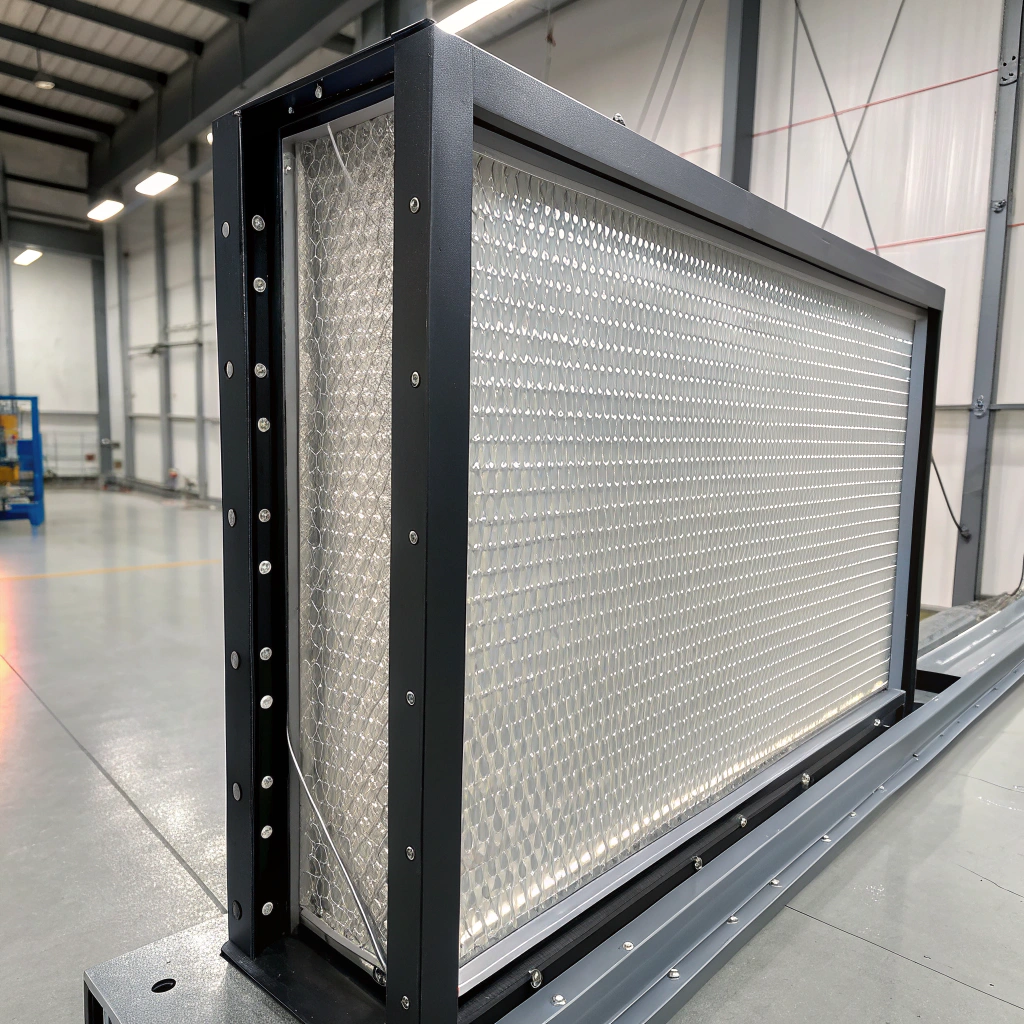
This technical guide explains how inside‑out and outside‑in flow directions in cylindrical wedge‑wire screens impact self‑cleaning efficiency, pressure drop, and suitability for dewatering, straining, or filtration applications.
Read More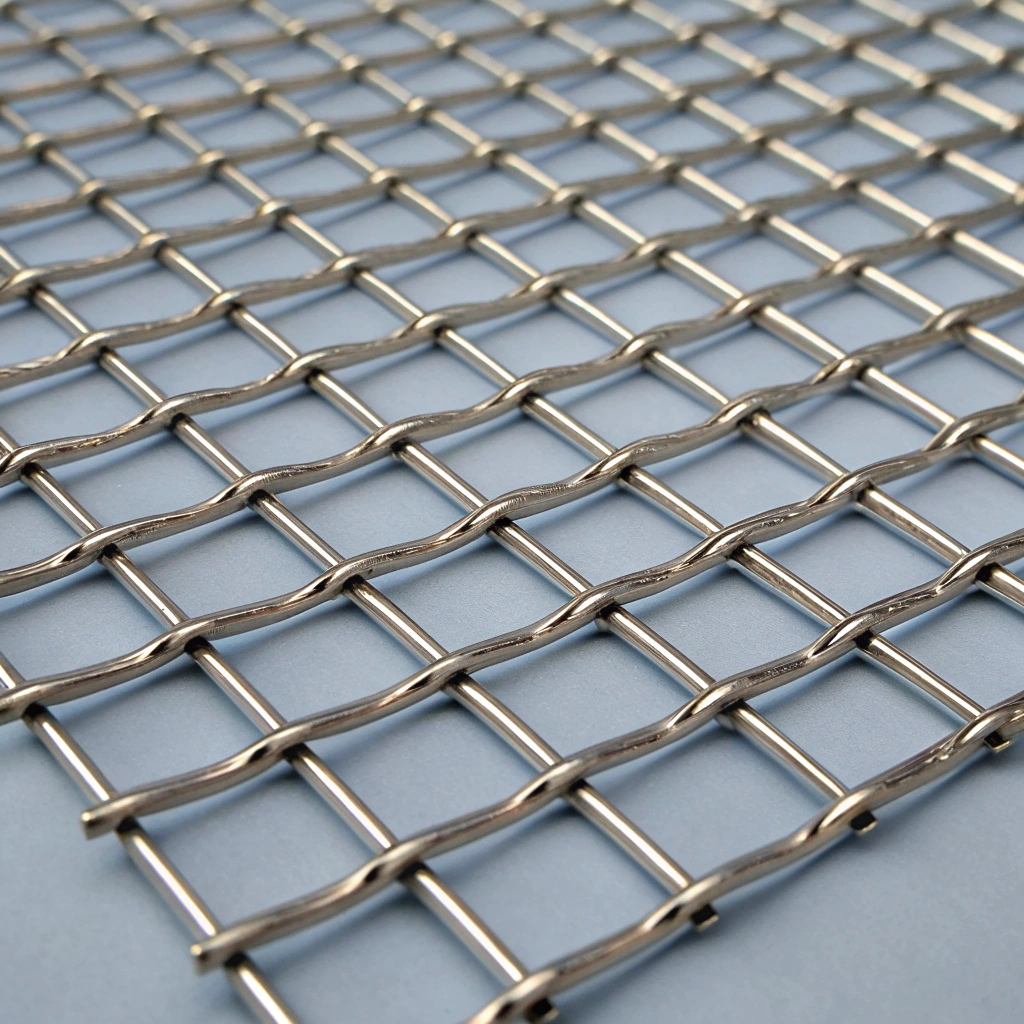
An overview of wedge wire screen technology, its V‑shaped continuous‑slot construction, material options, and typical industrial applications such as dewatering, screening, straining, and separation.
Read More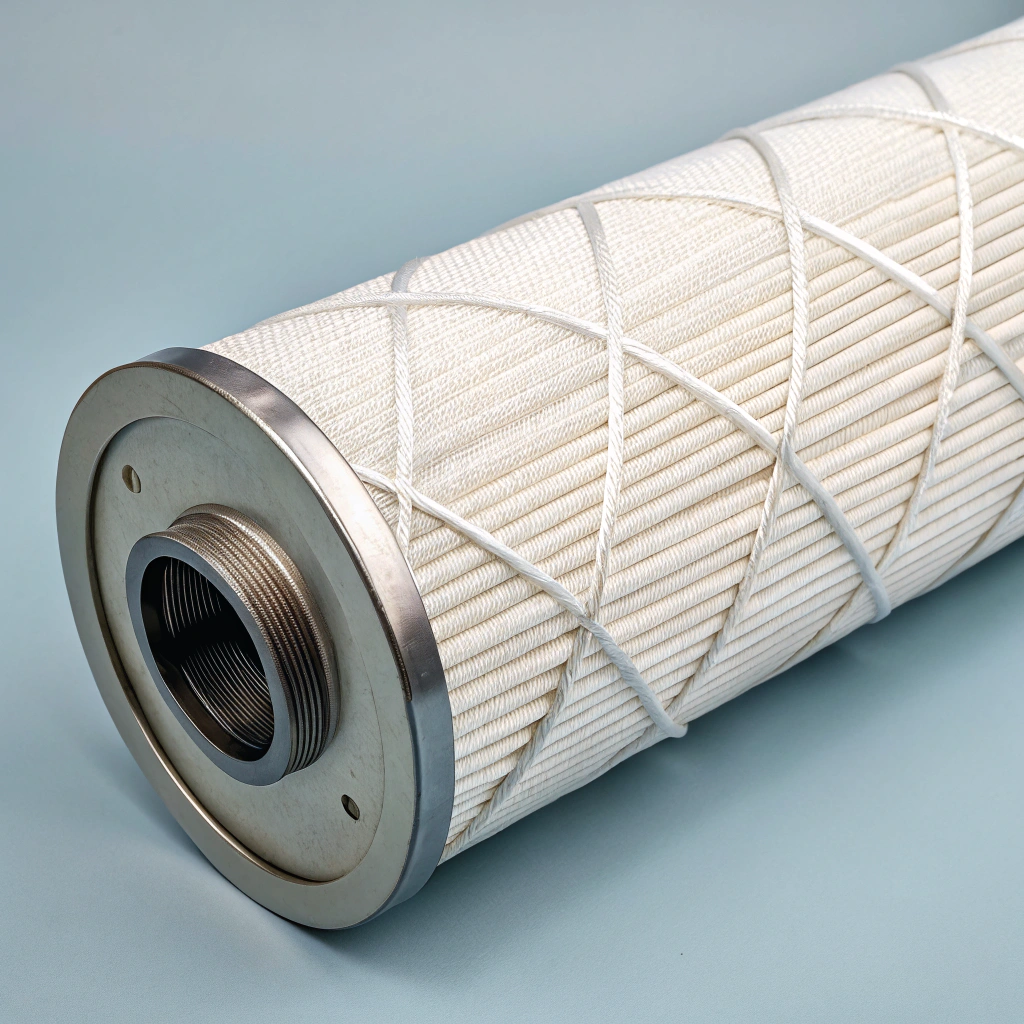
This article explains the construction of cylindrical wedge wire screens—including rolled or seamless profile wire wound on a support tube and their high collapse‑pressure capability up to ~25 bar—and outlines their primary uses in hydraulic circuits, fuel filtration, and inline basket strainers.
Read More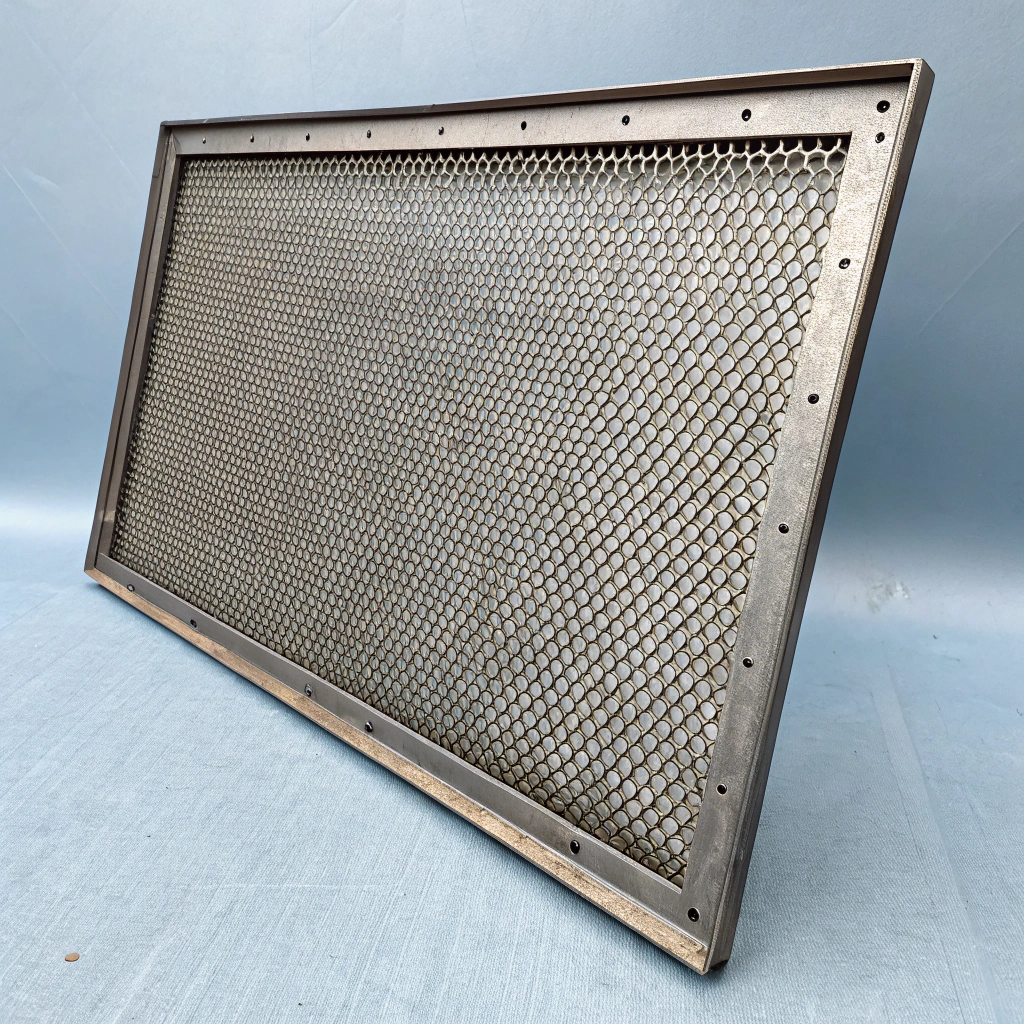
Practical guidance for engineers on selecting the optimal slot opening size for flat‑panel wedge wire screens, balancing particle size distribution, throughput, cleaning method, filtration precision and screen longevity.
Read More