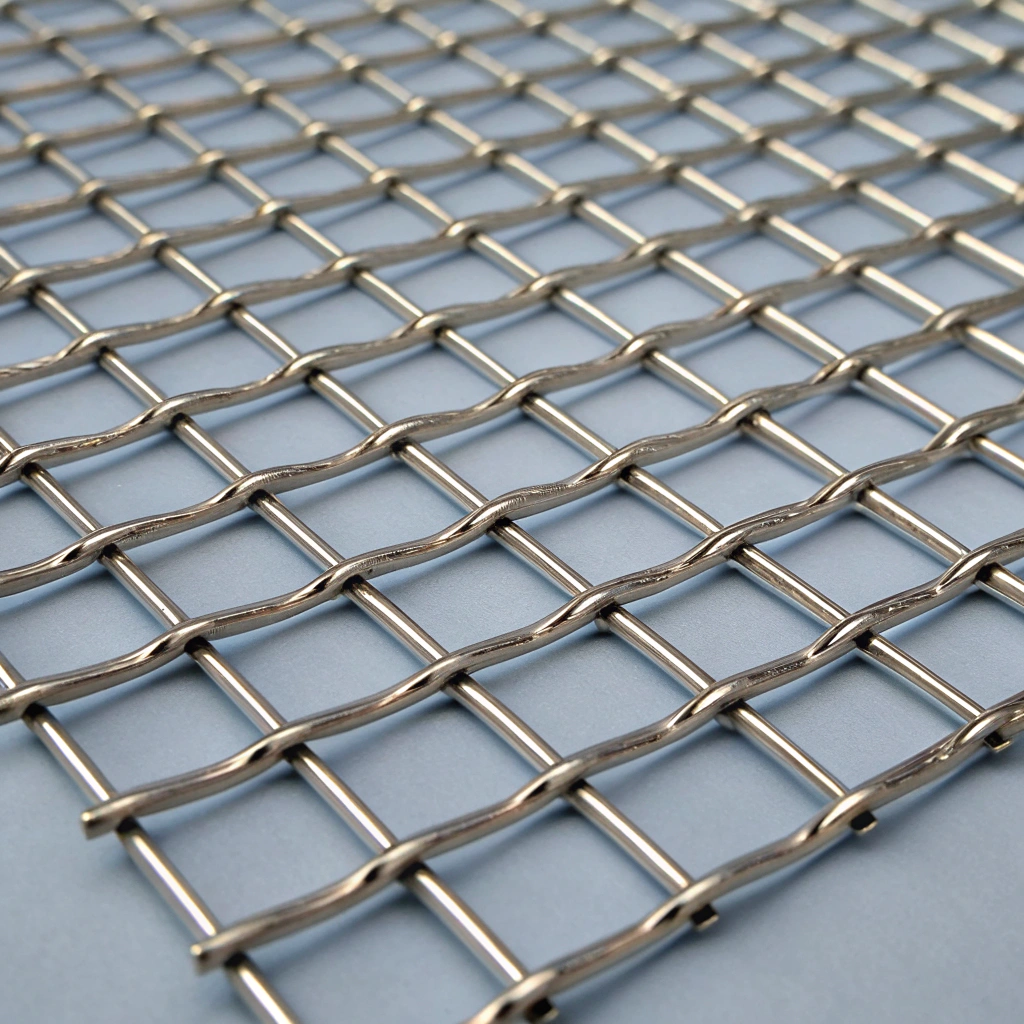
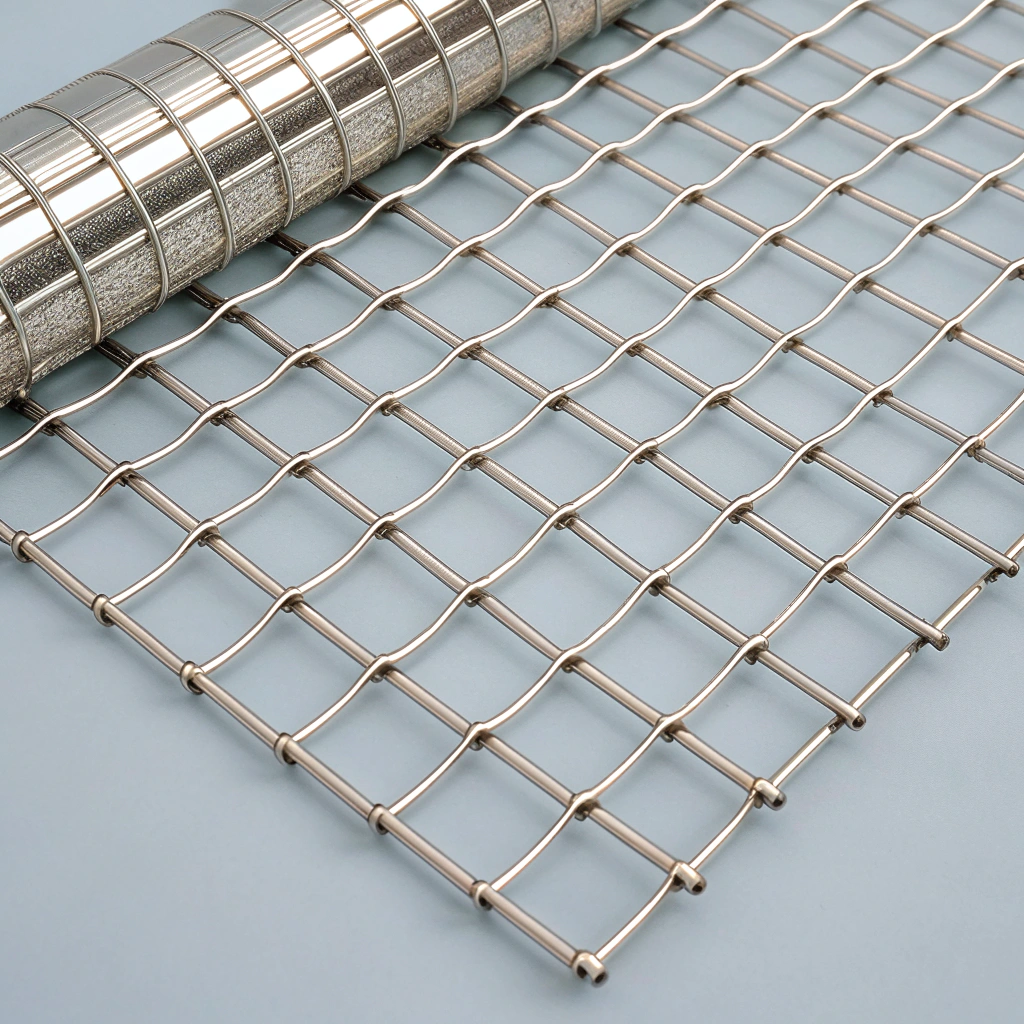
Flow Direction in Wedge Wire Screens InsideOut vs OutsideIn

This article explains the two flow configurations for wedge wire screens—inside‑out and outside‑in—detailing how flow direction influences cleaning action, pressure drop, and suitability for various industrial filtration and dewatering applications.

Read More
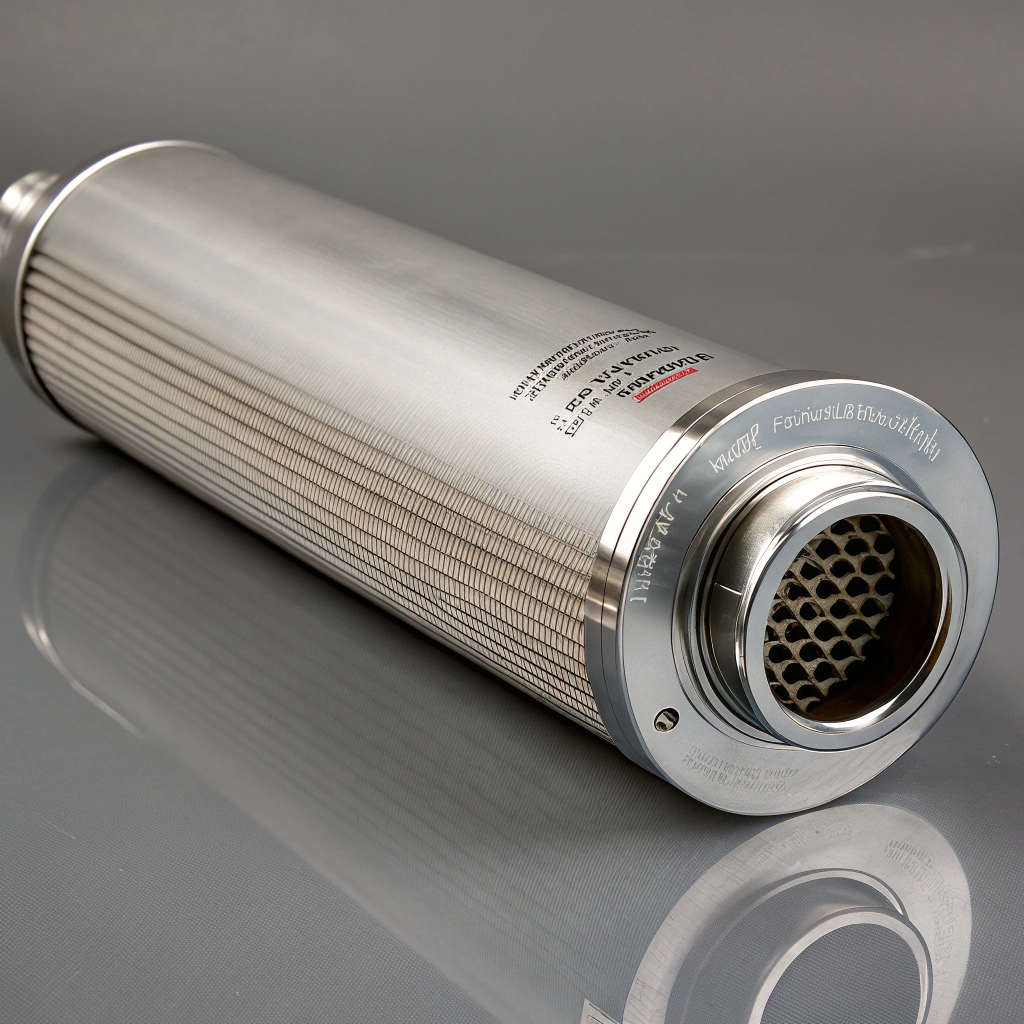
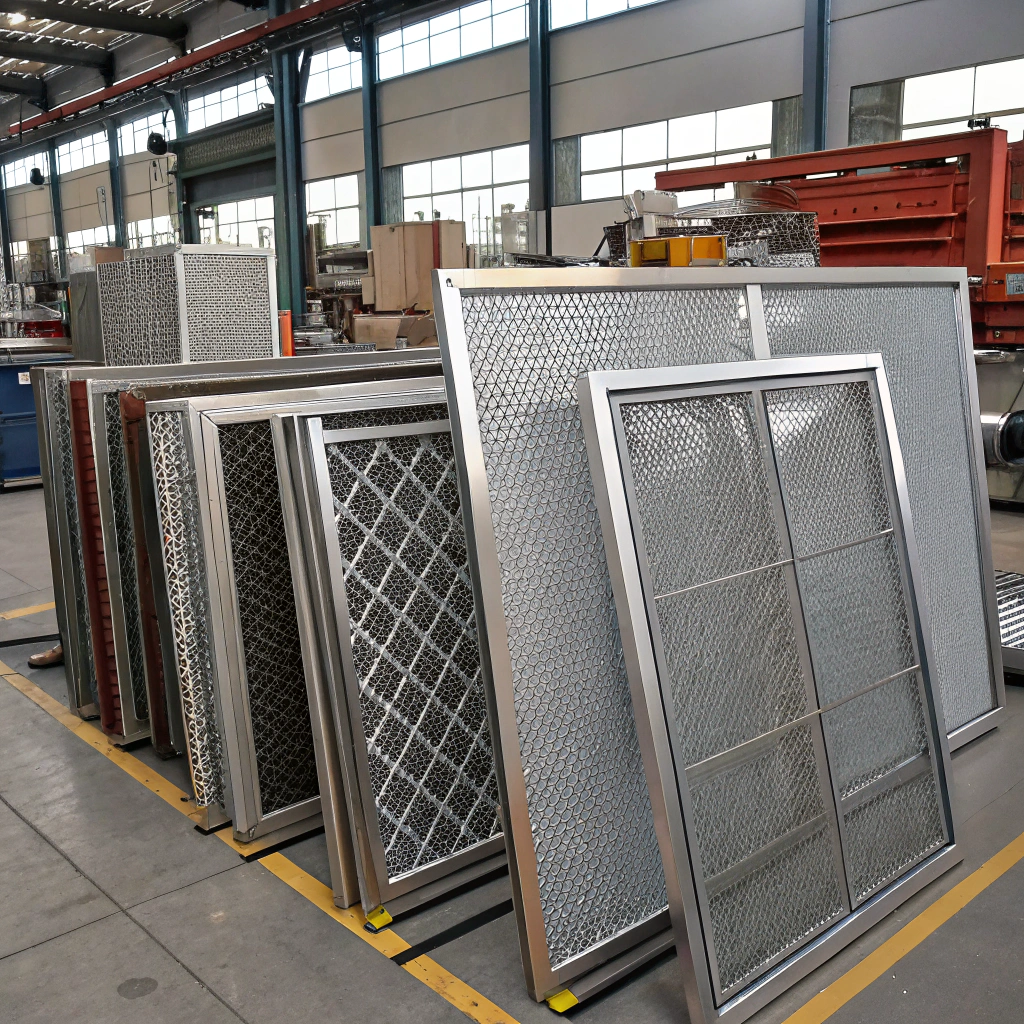
How Does Wedge Wire Screen Work

This article explains the engineering principle behind wedge wire screens, detailing the V‑shaped fused‑welded wire profile, self‑cleaning slot geometry, and how opening size governs particle retention and flow in mechanical separation and dewatering applications.

Read More
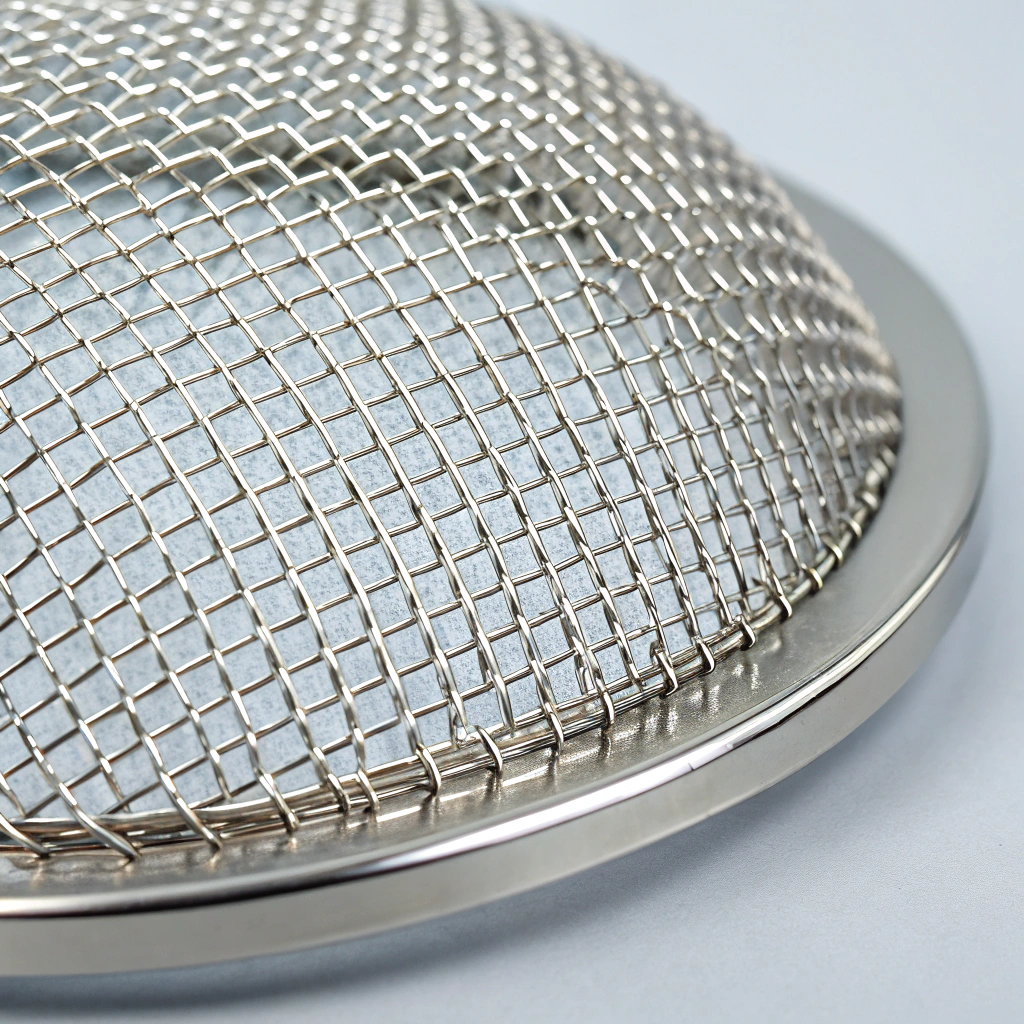
Plain Weave vs Twill Weave vs Dutch Weave

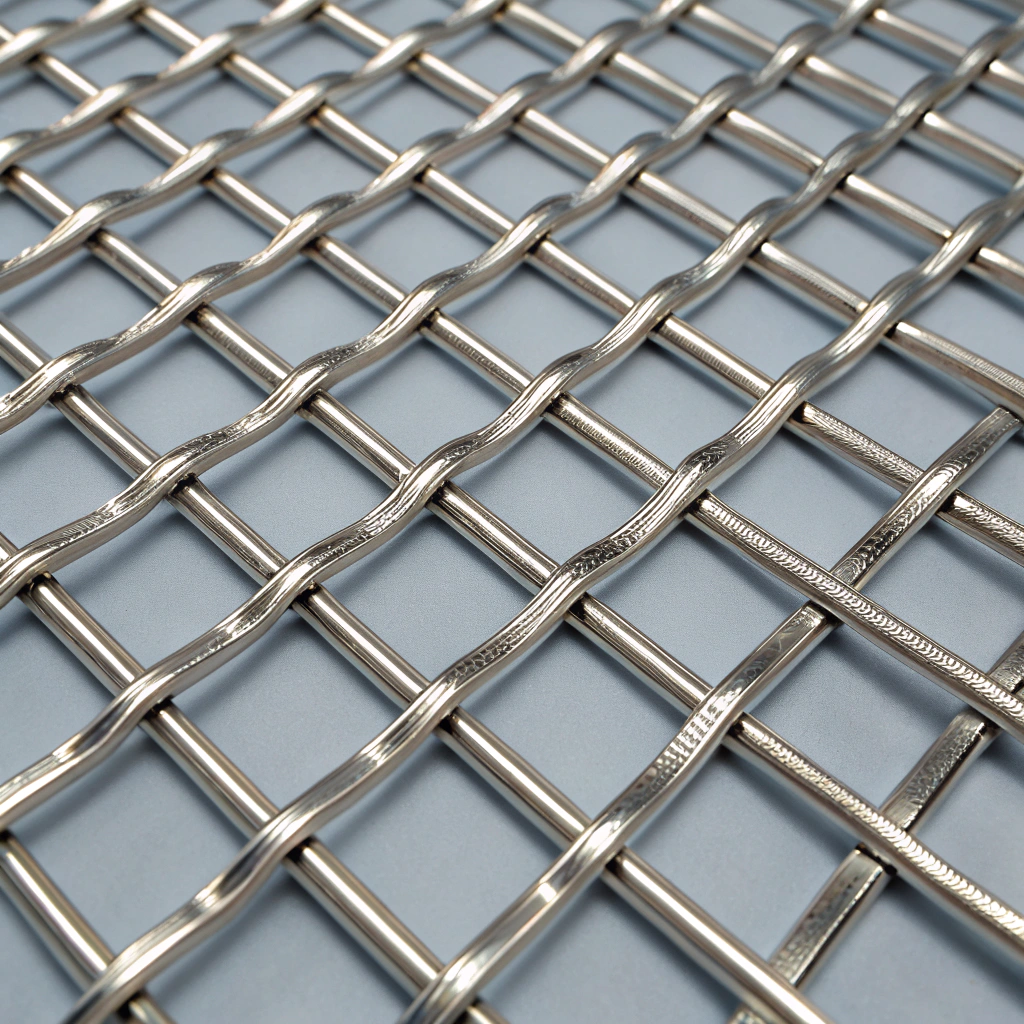
Compare plain, twill, and Dutch weaves in terms of structure, filtration accuracy, mechanical strength, and typical industrial applications to help engineers select the optimal stainless‑steel mesh.

Read More

Dutch Weave Filter Mesh Explained

This article breaks down the construction of Dutch and reverse Dutch weave stainless‑steel mesh, outlines their performance benefits, and highlights the key industrial sectors where they deliver reliable filtration solutions.

Read More

Mesh Count vs Opening Size for Filtration

Understanding how mesh count relates to actual opening size and how each parameter influences flow, retention, and pressure drop helps engineers select the optimal stainless‑steel mesh for their filtration applications.

Read More

Understanding Filter Mesh Micron Ratings

Learn what micron ratings signify for stainless‑steel filter mesh, how they correlate with particle retention, and why precise micron selection is critical for reliable filtration performance.

Read More