Learn how wire diameter impacts mesh strength, open area, and filtration performance, and get practical guidance for selecting the right diameter for your engineering applications.
Read More
Learn how wire diameter impacts mesh strength, open area, and filtration performance, and get practical guidance for selecting the right diameter for your engineering applications.
Read More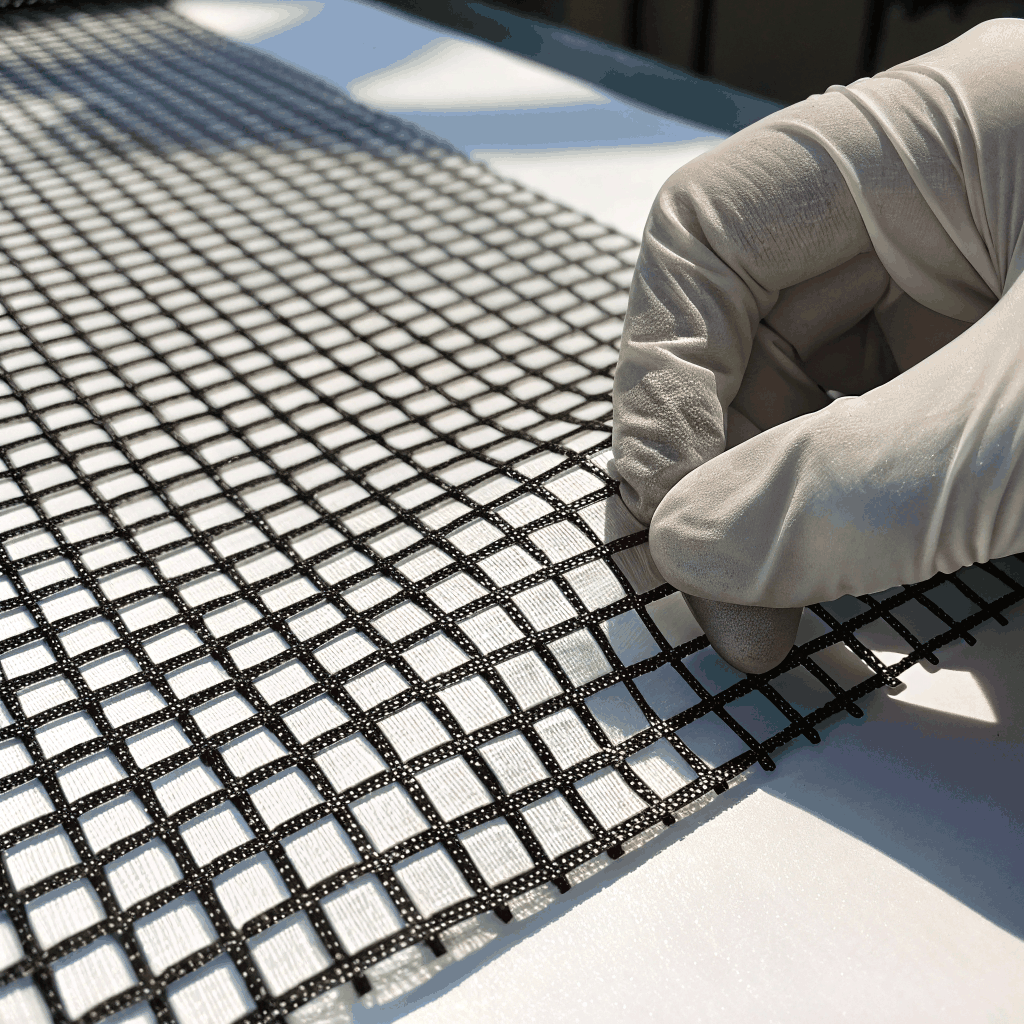
Learn the industry‑standard micron rating definitions, proven testing methods, and step‑by‑step guidance for selecting the right stainless‑steel woven mesh to meet precise filtration needs.
Read More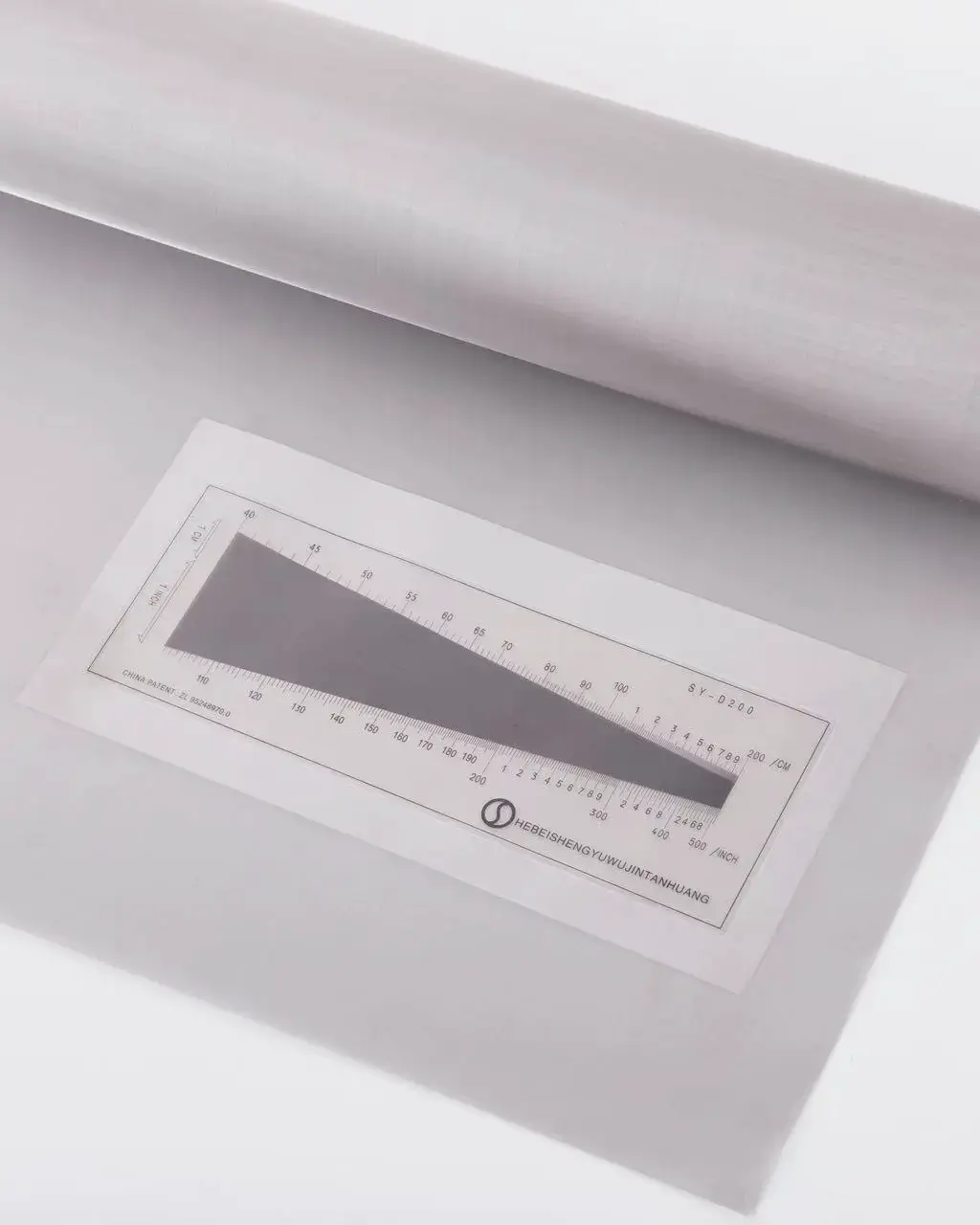
Learn how mesh count and aperture size are linked, how to convert between mesh count, millimeter aperture, and micron ratings, and see practical examples for selecting the right stainless‑steel woven mesh.
Read More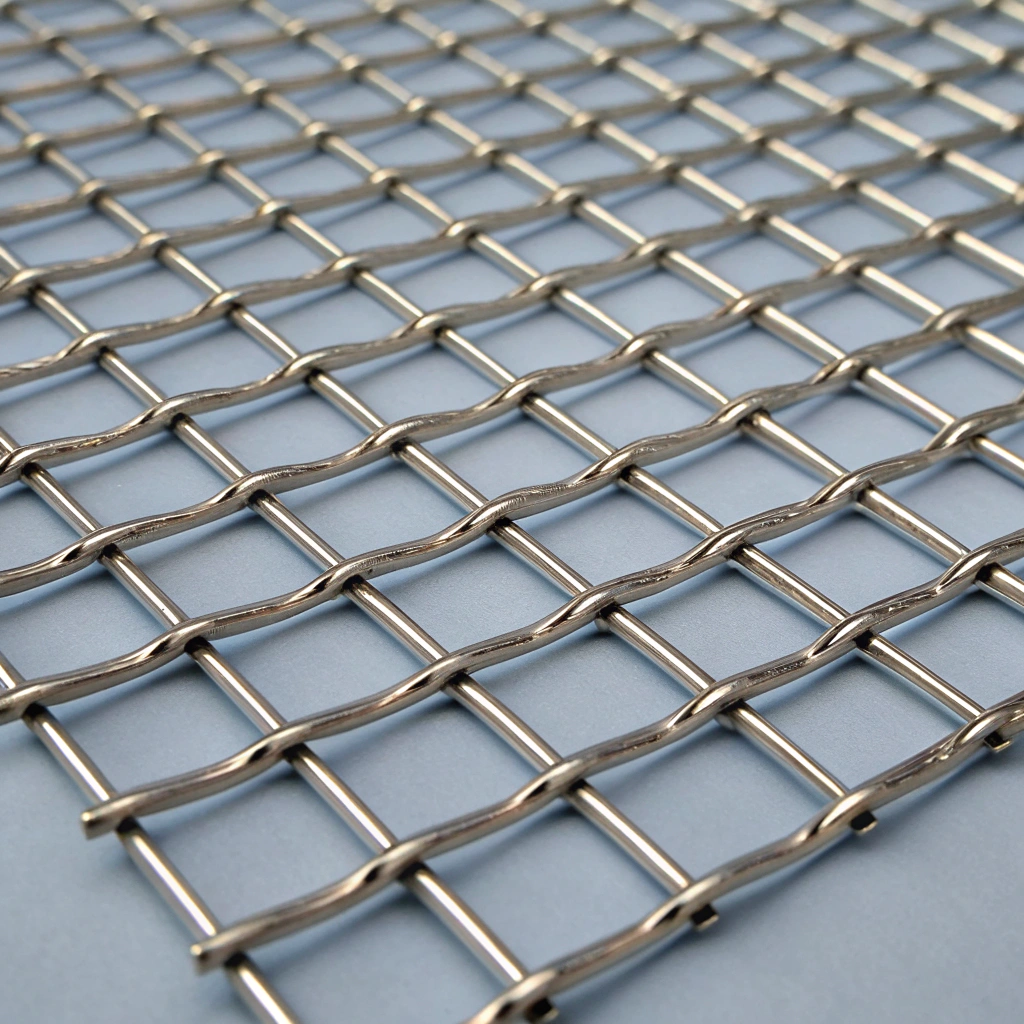
Step‑by‑step guidance for engineers and purchasing managers on selecting mesh count, wire diameter, weave type, alloy grade, and applicable standards to ensure optimal filtration performance.
Read More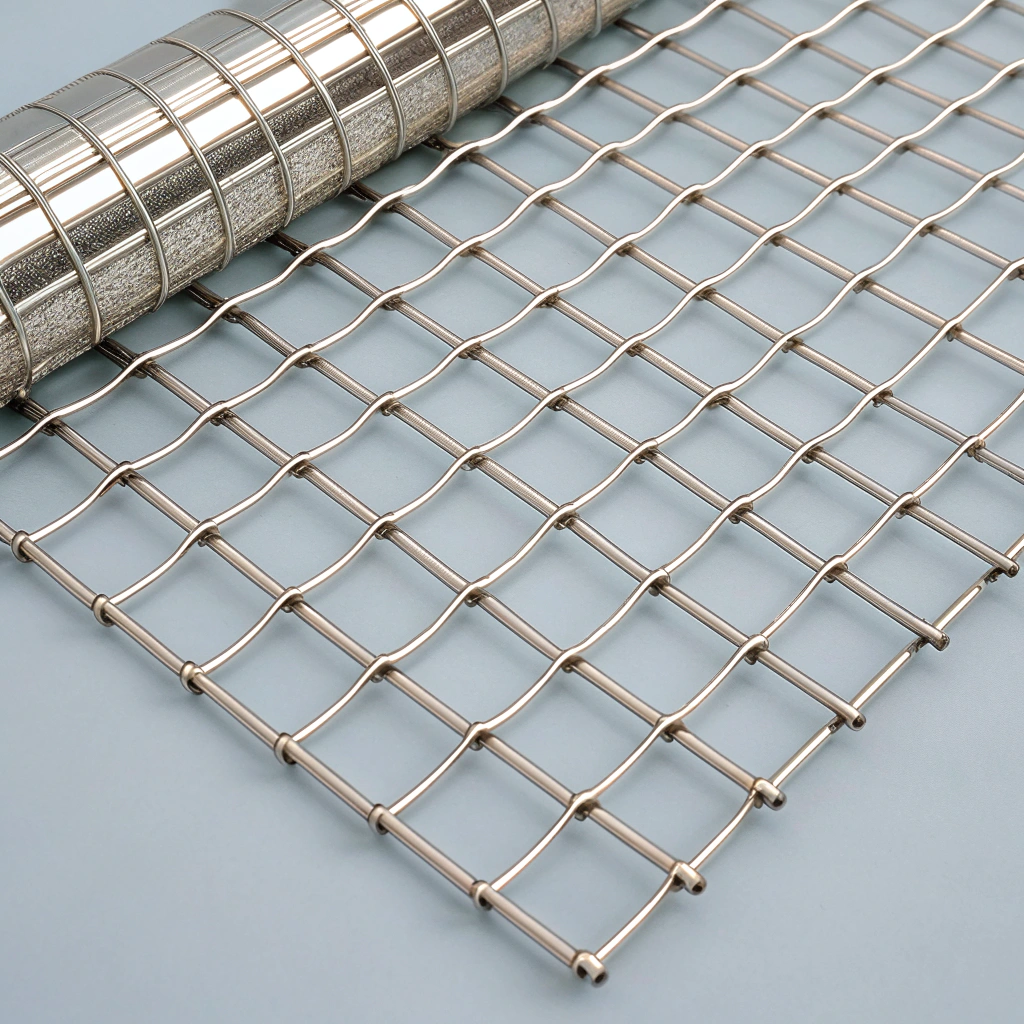
Learn how mesh count—measured in wires per linear inch—affects filtration performance, how it’s measured, and its relationship to wire diameter and aperture.
Read More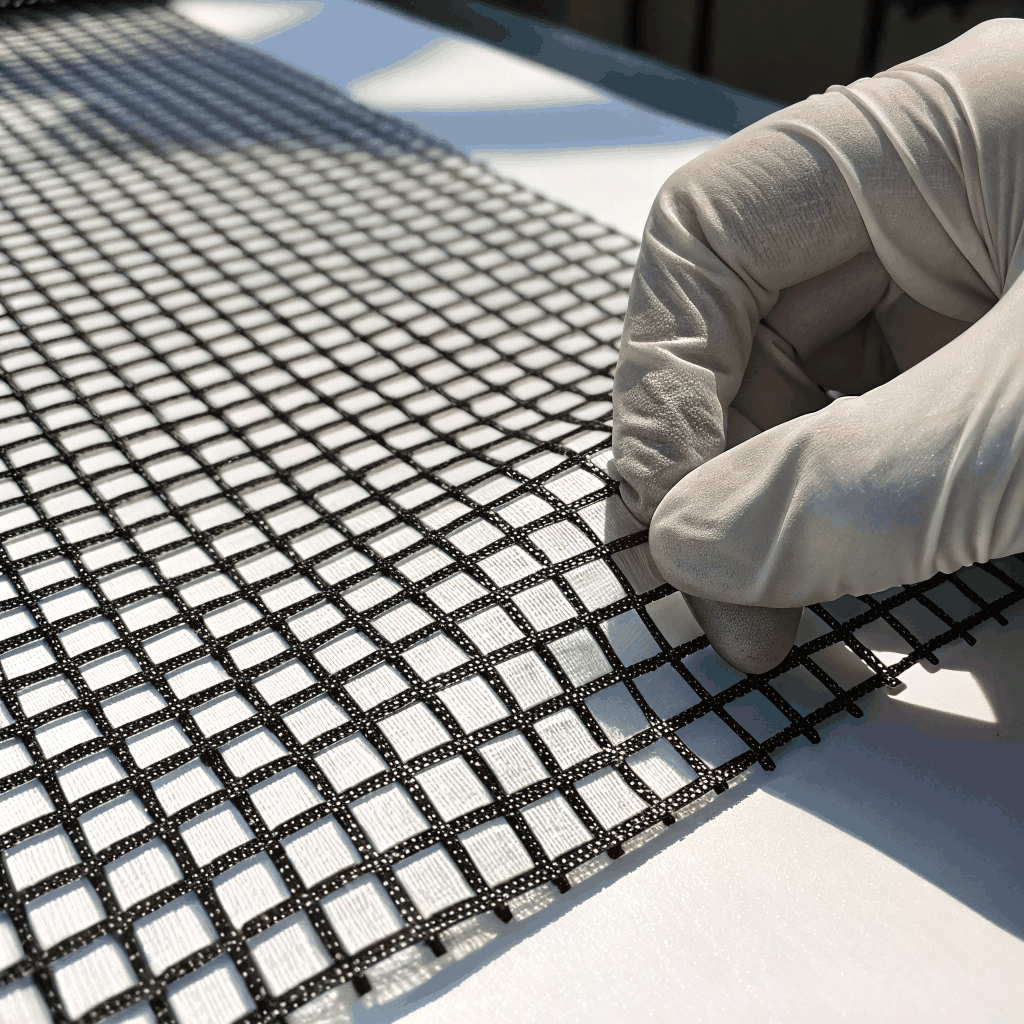
Understanding the non‑linear relationship between mesh count and micron rating helps engineers and purchasing managers specify filtration requirements more accurately.
Read More
A quick‑reference glossary of the most important wire mesh terms, helping industrial buyers understand specifications and choose the right stainless steel mesh for their applications.
Read More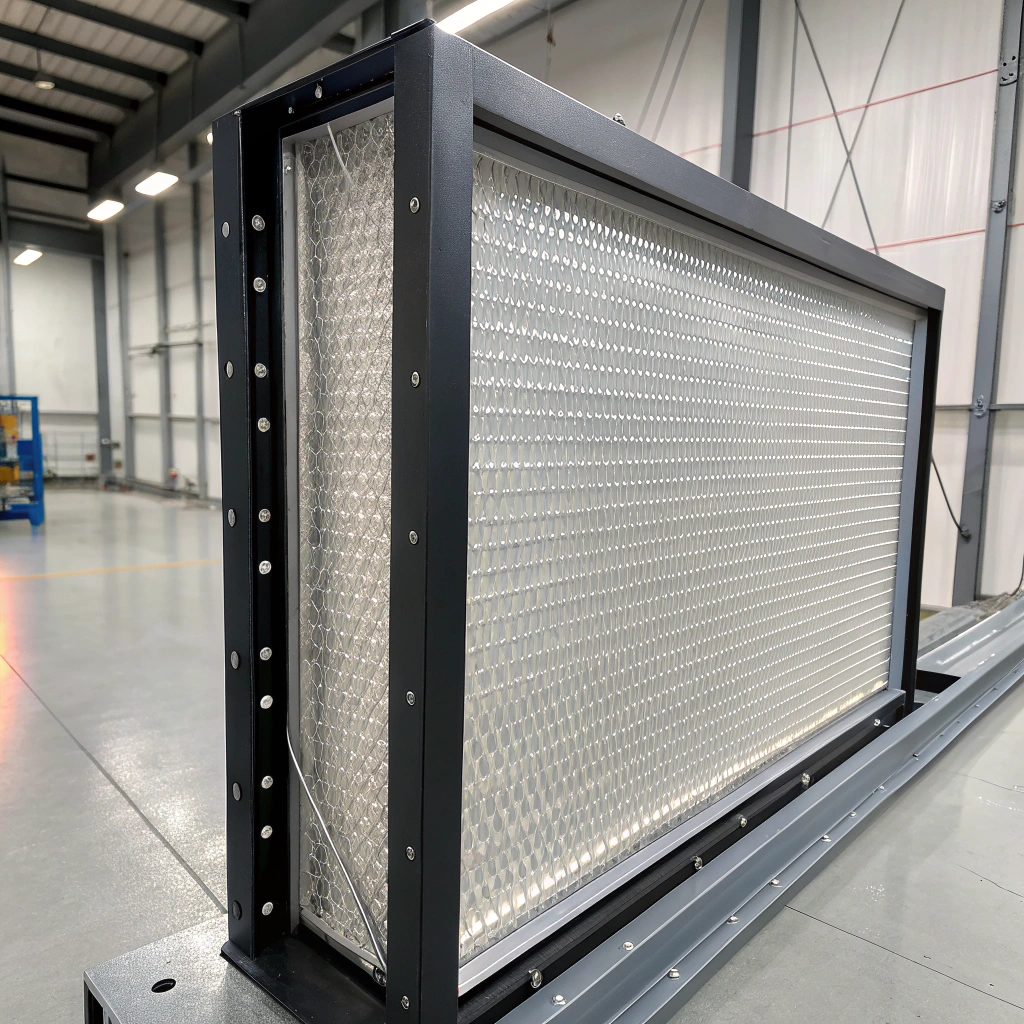
Learn the open‑area formula for stainless‑steel woven wire mesh, why it matters for flow rate and filtration efficiency, and see a quick example that ties mesh count, wire diameter and aperture together.
Read More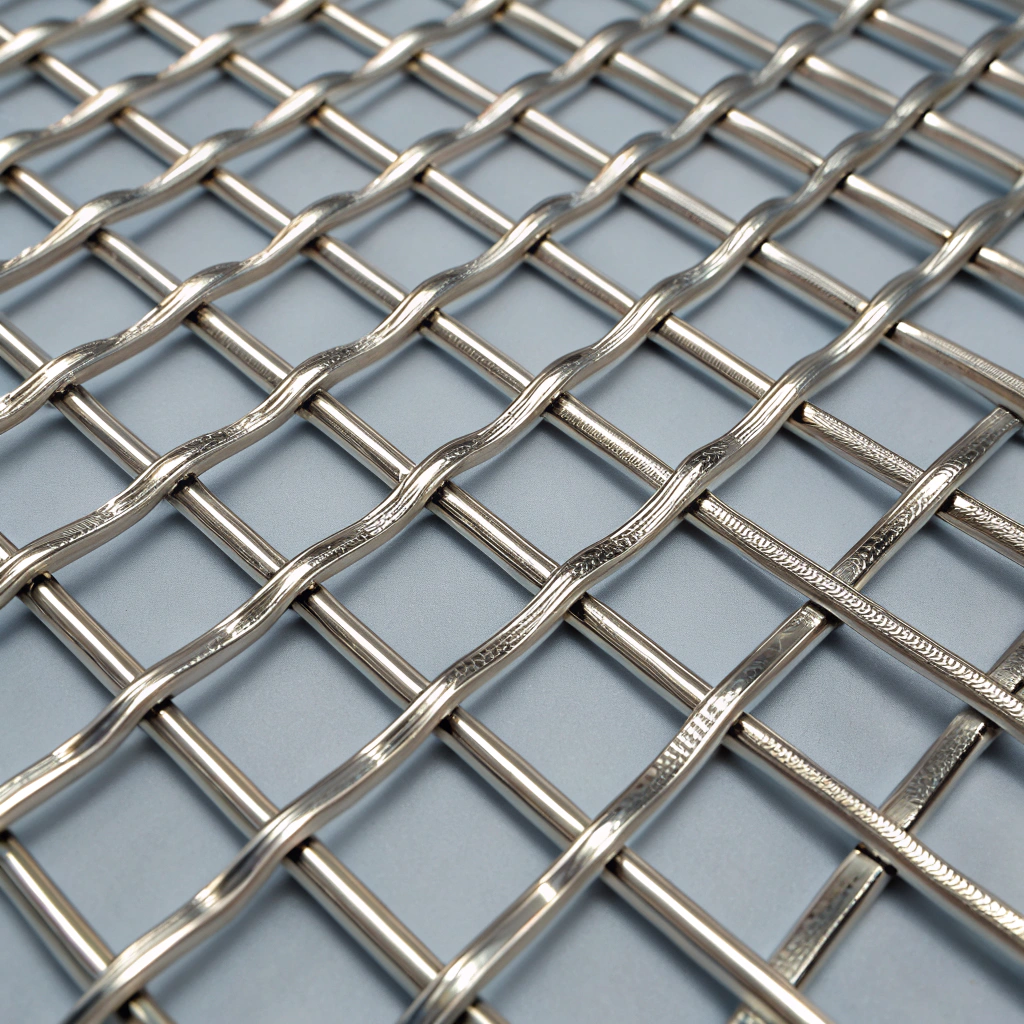
Learn how warp and weft wires differ in diameter, placement, and function across weaves such as Dutch weave, and how these variations influence mesh strength, durability, and filtration performance.
Read More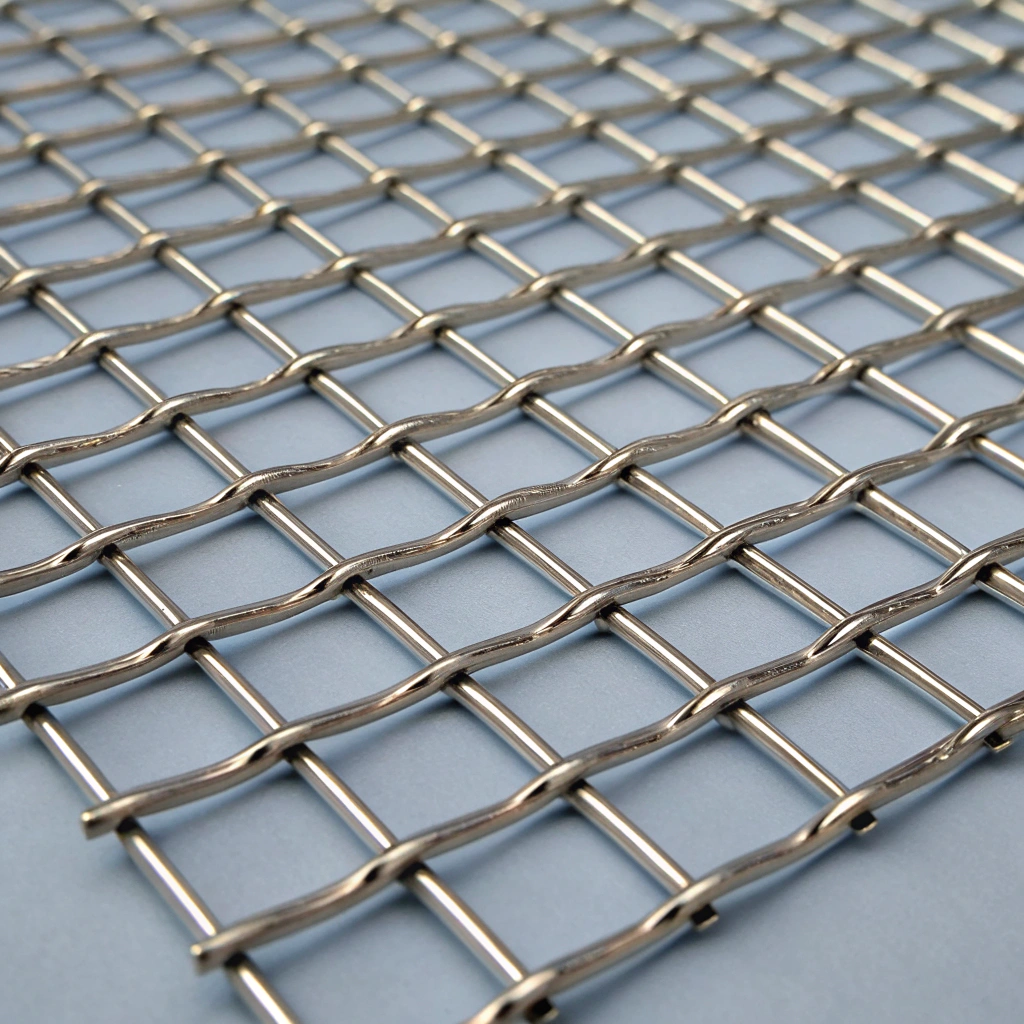
Learn how aperture (mesh opening size) is defined, calculated from mesh count and wire diameter, and why it matters for precise filtration and micron ratings in industrial applications.
Read More