Solid-liquid separation
Slurry and suspended-solids streams require reliable dewatering and separation via precisely slotted screens.
Engineer custom slot openings and profile wires to maximize throughput while preventing blinding and media loss. Fabricated in certified 304 and 316L stainless steel for corrosive and abrasive process environments.
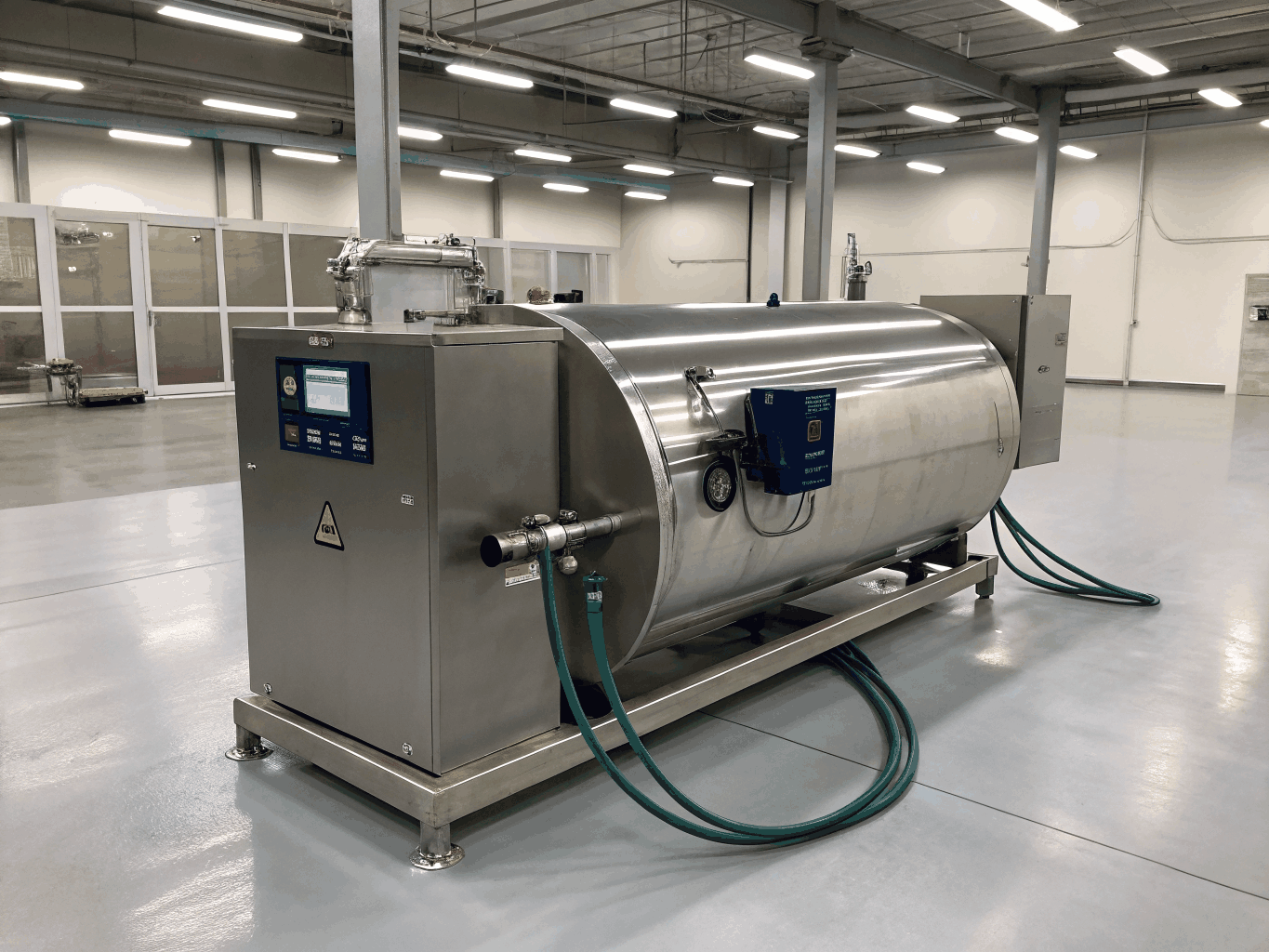
Overview
Solid-liquid separation and slurry dewatering represent rigorous industrial stages where high concentrations of suspended particulates challenge screen reliability. Industrial filtration media must rapidly evacuate liquid fractions under continuous throughput while avoiding surface blinding, bed compaction, or progressive aperture occlusion.
Whether deployed in centrifugal dewatering decanters, vibratory screens, or pressure nutsche filters, wire mesh surfaces must maintain geometric integrity across abrasive slurry streams, high mechanical shear forces, and cyclical hydraulic pressure spikes.
Filtration Requirements
Core physical and hydraulic criteria for slurry separation screens.
Continuous V-wire or Dutch weave geometries tailored to targeted particle cut-points without blinding.
High-density particulate transport designed for continuous cake accumulation and mechanical scraping.
Low initial hydraulic drag coefficient (ΔP < 0.15 bar clean) maintaining critical slurry velocity.
Pitting resistance equivalent (PREN ≥ 25–45) for aggressive acidic, chloride, and alkaline slurries.
Heavy-duty backer wire and resistance welding to withstand pressure pulses and vibratory loads.
Industrial filtration profiles and specification checklist
Solutions & Product Options
Select verified geometries designed for high solids recovery, continuous straining, and slurry separation.
Key Selection Factors
Evaluate mechanical, process, and chemical parameters before specifying wedge wire geometry.
Slot opening sizing for target solids
Precision slot tolerances from 20 microns prevent particle passage while maximizing liquid throughput.
Solids loading and dewatering capacity
Open area ratios calibrated to incoming slurry feed velocity and dry cake formation limits.
Resistance to blinding and fouling
Two-point particle contact geometry eliminates clogging and permits swift backwash cycles.
Structural strength under process pressure
Support rod cross-sections and resistance weld frequency sized for differential collapse pressure.
Corrosion resistance in slurry chemistry
Austenitic and duplex stainless alloys selected specifically for chloride, acid, or caustic exposure.
Need assistance calculating delta-P or sizing slots for high-abrasion slurries?