Gas-Liquid Separation
Gas streams carrying entrained droplets or mist require mesh-based separation to prevent liquid carryover.
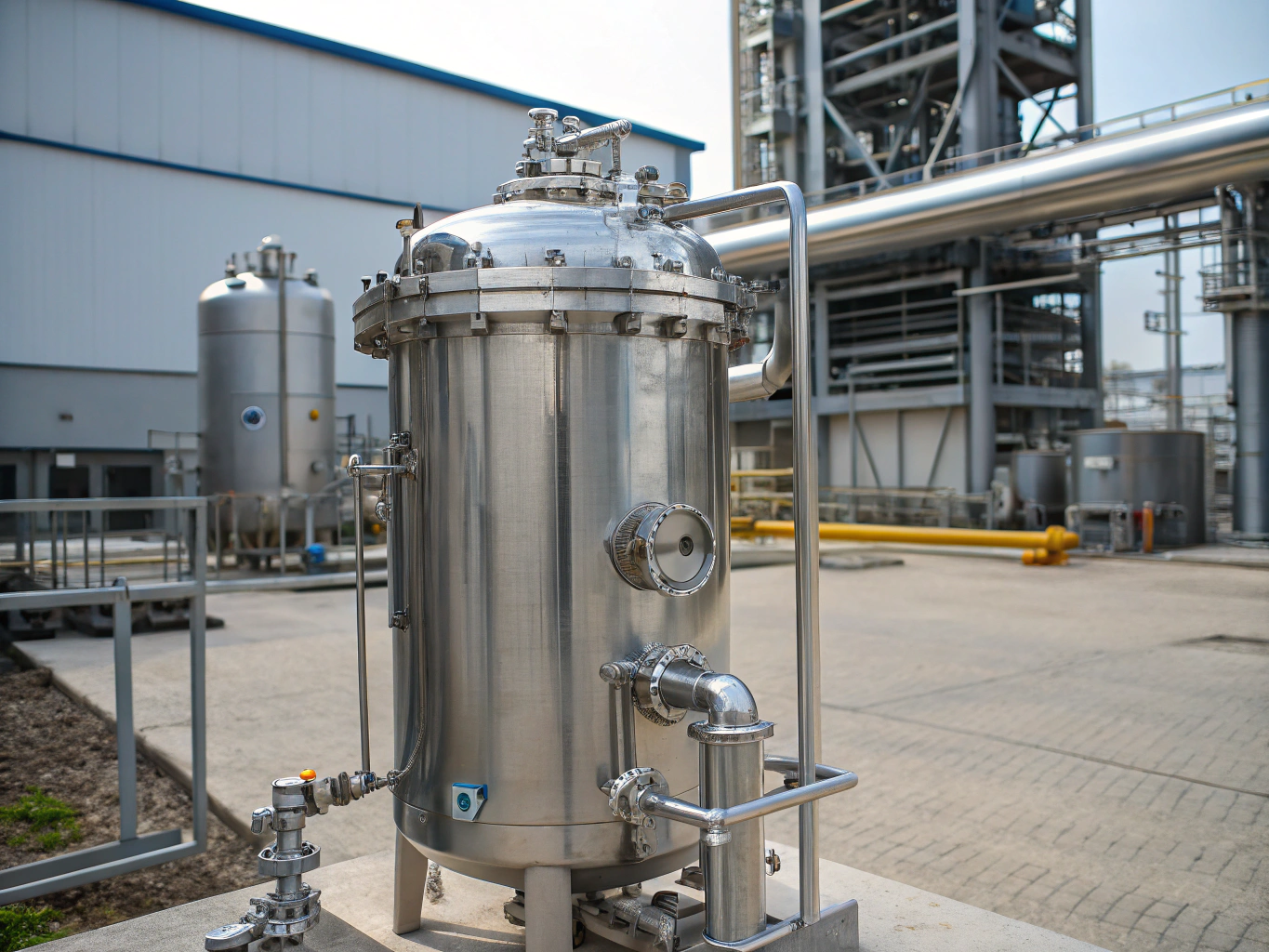
Engineered knitted and woven wire mesh mist eliminators provide high droplet capture efficiency with low differential pressure across demanding processing vessels. Custom configurations in 304, 316L, and high-nickel alloys match specific vapor velocity and corrosion conditions.
Optimized vapor throughput with minimal system resistance
Eliminates entrained droplets down to fine micron thresholds
Fabricated in 304, 316L, 904L, Monel, and custom nickel alloys
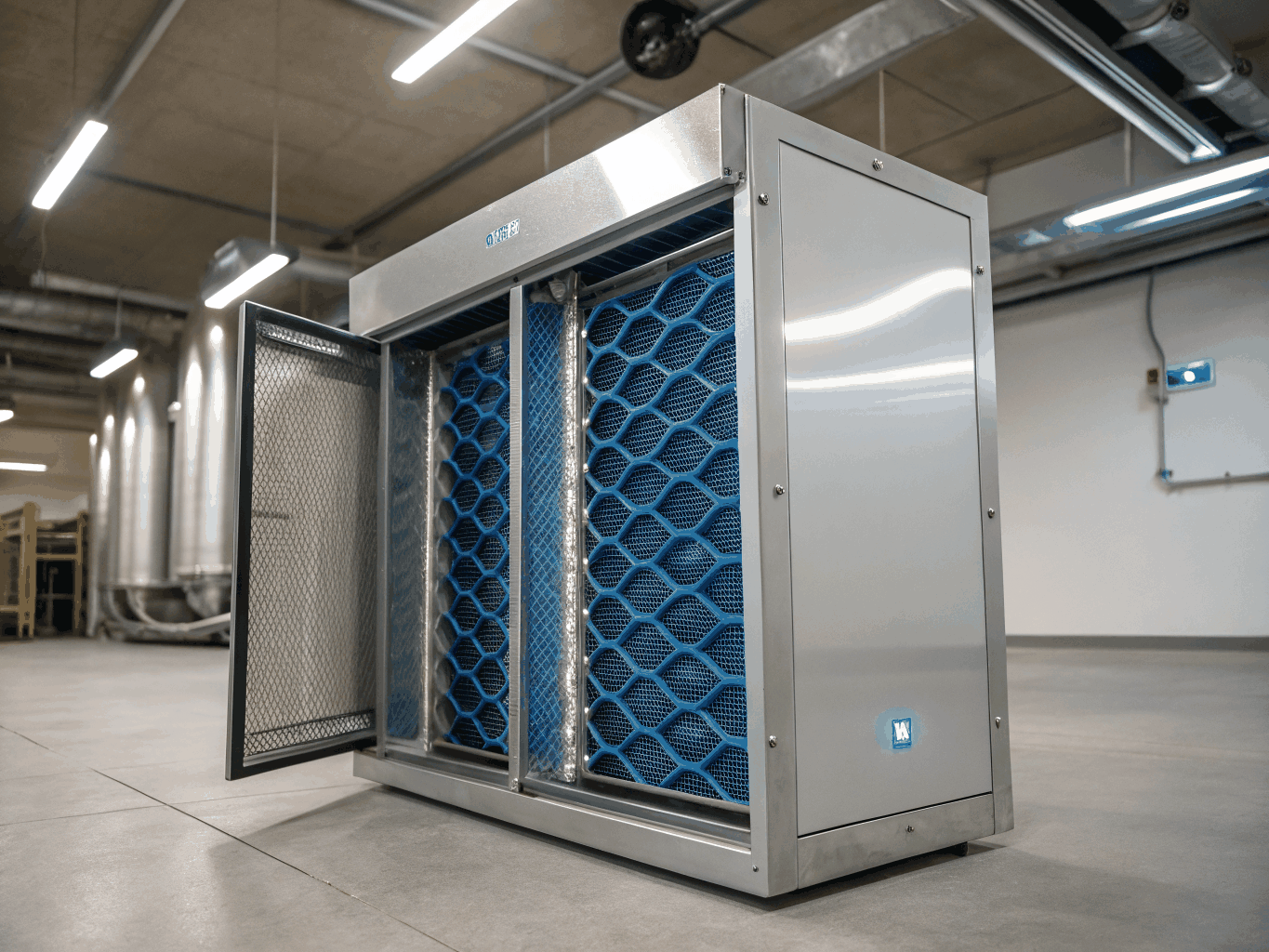
Overview
Gas-liquid separation relies on capturing entrained liquid droplets, condensation aerosols, and process mists moving within high-velocity gas streams. Through controlled inertial impaction, direct interception, and coalescence within precise wire mesh geometries, microscopic droplets agglomerate into continuous liquid films that drain gravimetrically.
Eliminating downstream liquid carryover prevents compressor impeller erosion, catalyst bed contamination in reaction vessels, and measurement drift across sensitive instrumentation. MutualFilter supplies balanced-weave and diffusion-bonded mesh assemblies designed to sustain continuous moisture loads under rigorous pressure differentials.
Filtration Requirements
Key mechanical and process standards
Droplet & mist separation efficiency
Down to 1–3 μm mist droplets using specialized multi-layer mesh pads and sintered composite laminates.
Gas velocity operating window
Optimized face velocity preventing re-entrainment and flooding while minimizing vessel pressure drop.
Mesh structure configuration
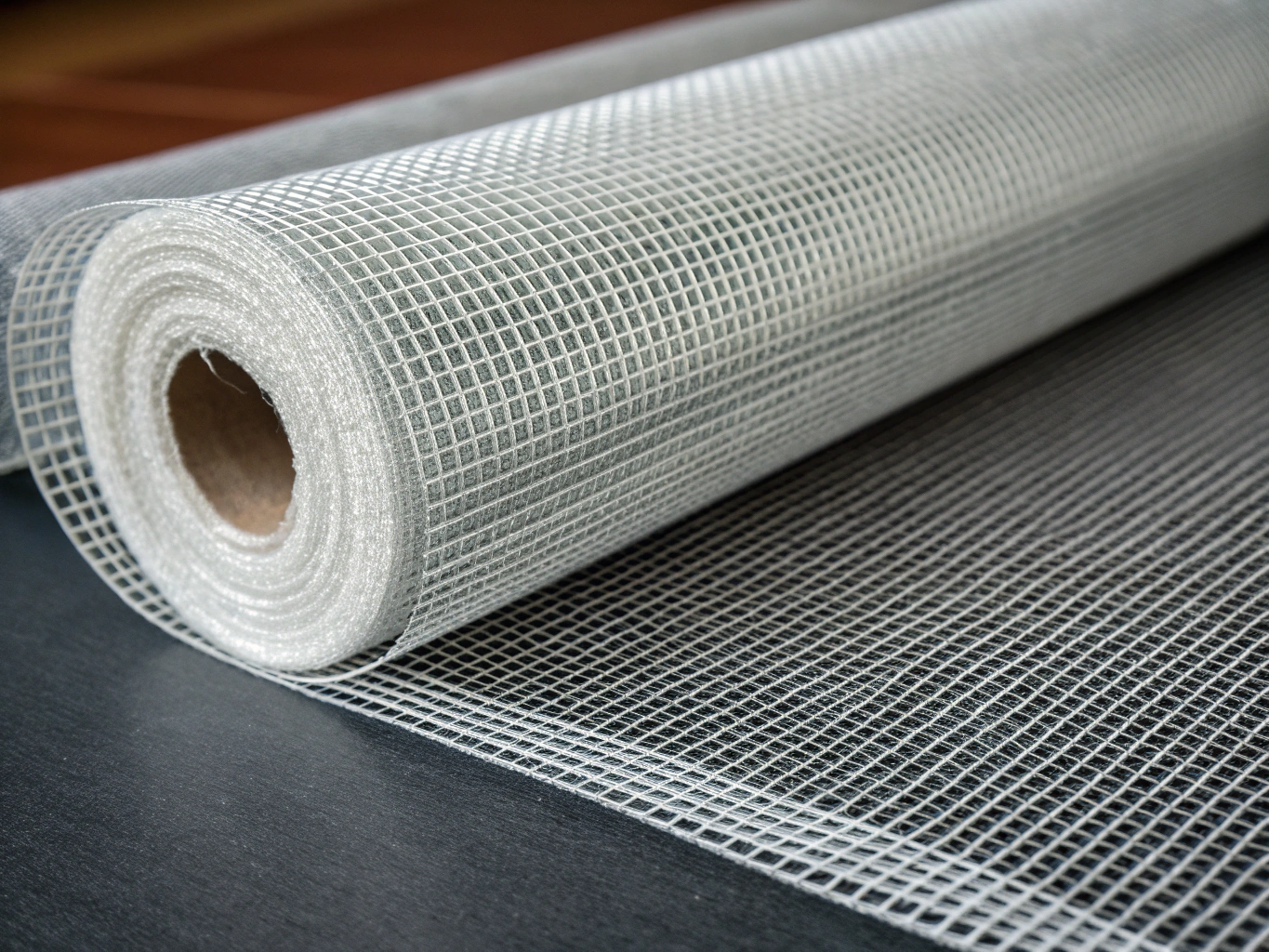
Co-knit wire filaments, reverse Dutch weaves, and sintered multi-layer laminate screens for rigidity.
Corrosion & chemical resistance
Engineered metallurgy resisting wet acid gases, chloride stress cracking, and cyclic steam exposure.
Looking for vessel demister sizing or differential pressure calculations?
Consult technical sizing sheets or request custom wire mesh pad dimensions.
Technical Portfolio
Engineered wire mesh configurations and core design criteria for chemical, process, and OEM separation.
Solutions & Product Options
Select a category to review specifications, weaving types, and custom fabrication tolerances.
Key Selection Factors
Critical engineering variables evaluated by our technical team prior to media specification.
Separation efficiency at process gas velocity
Matches superficial velocity to droplet capture dynamics to prevent re-entrainment and media bypass.
Mesh void and surface area balance
Calibrates volumetric free volume against specific surface contact area for target cake filtration loads.
Pressure drop across the mesh pad
Maintains minimal clean-bed differential pressure to reduce compressor energy and blower head loss.
Corrosion resistance to process gas and liquid
Selects 304, 316L, 904L, or nickel alloy wire based on halides, operating temperatures, and acid exposure.
Structural support for the mesh pad
Provides rigid backing screens and grid framing to withstand high differential loads without media deflection.
Configured around your operating conditions
Submit your target flow rates, media compatibility, and physical limits. Our technical team evaluates drawings and provides pricing within one business day.