Petrochemical process filtration
Petrochemical and refining process fluids demand filtration that withstands high temperature, high pressure and corrosive media.
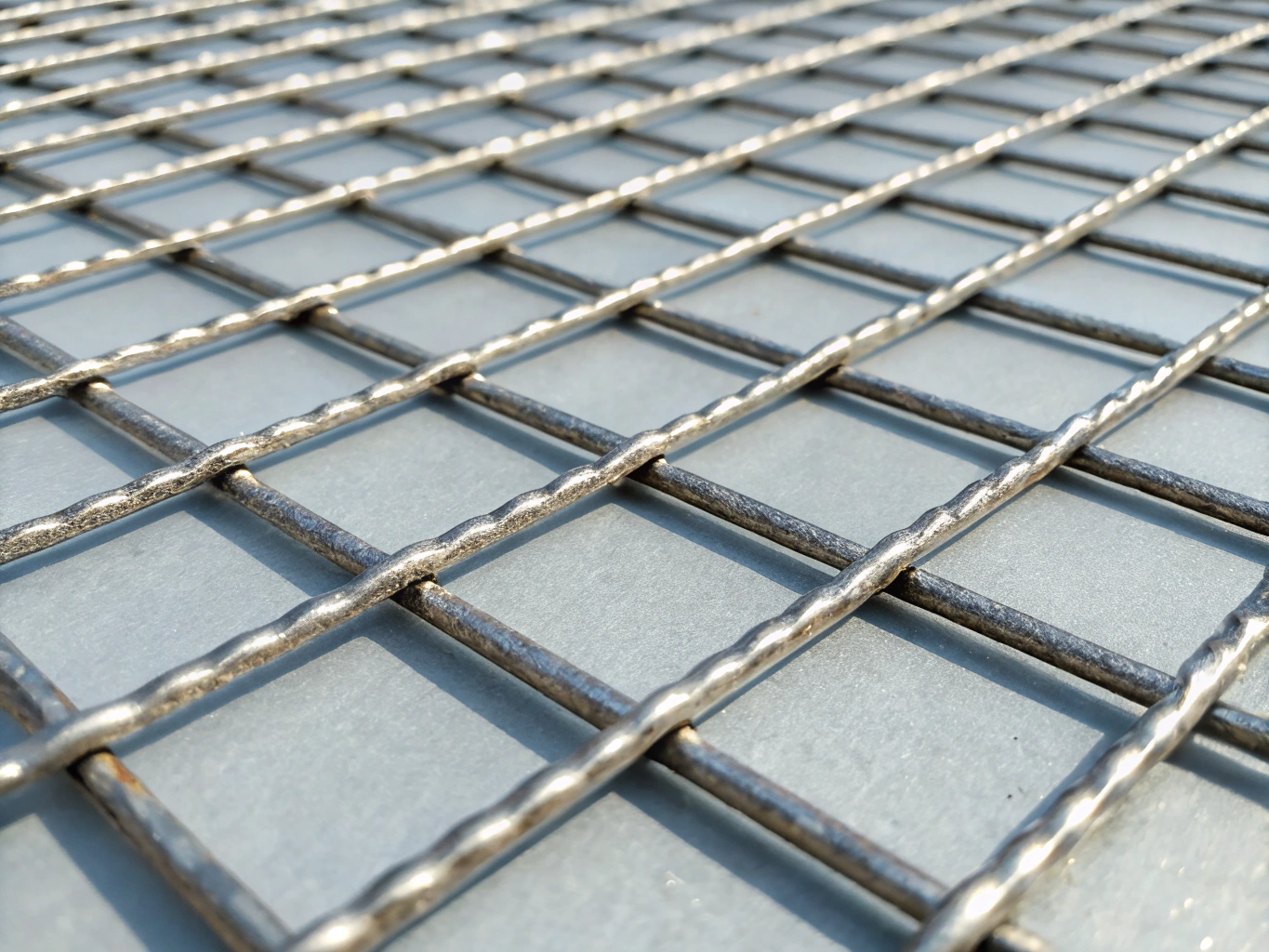
Precision woven wire meshes and sintered multilayer composites protect downstream catalyst beds, compressors, and instrumentation. Every specification is calibrated for reliable particulate separation under continuous thermal cycles.
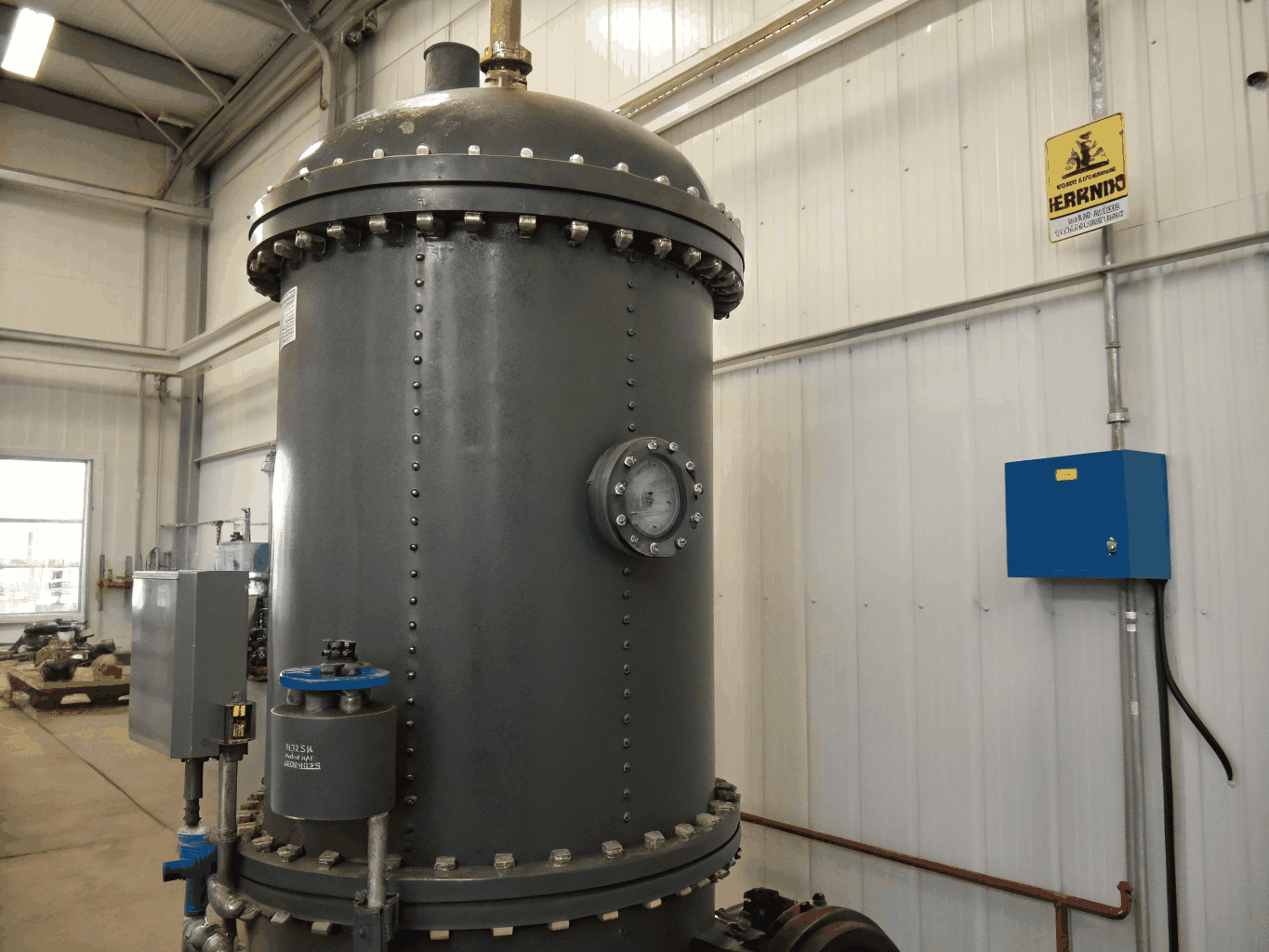
Overview
Filtration in petrochemical refining requires media that endure continuous exposure to aggressive hydrocarbons, sour gas streams, and concentrated acids. Standard filtration media deform or suffer pitting corrosion, causing bypass leaks and unpredicted shutdowns in cracking, reforming, and desulfurization units.
Engineered sintered stainless steel and high-nickel woven wire meshes preserve micron-rated pore integrity under differential pressures exceeding 200 bar and thermal spikes up to 900°C. They deliver predictable retention for catalyst recovery and particulate capture with minimal maintenance cycles.
Filtration Requirements
Technical threshold values engineered for severe operating duty.
Thermal stability sustained across thermal cracking and regeneration zones.
High collapse strength under surge flows and heavy particulate loading.
Zero stress-corrosion cracking in wet sour gas and chloride-rich acids.
Fully certified mill test certificates with positive material identification.
Custom micron cut-offs, wire diameters, and alloy meshes are tailored to your process vessel specifications.
Request technical consultationIndustrial mesh solutions and selection criteria
Select engineered porous media and verify critical operational parameters for process reliability.
Solutions & Product Options
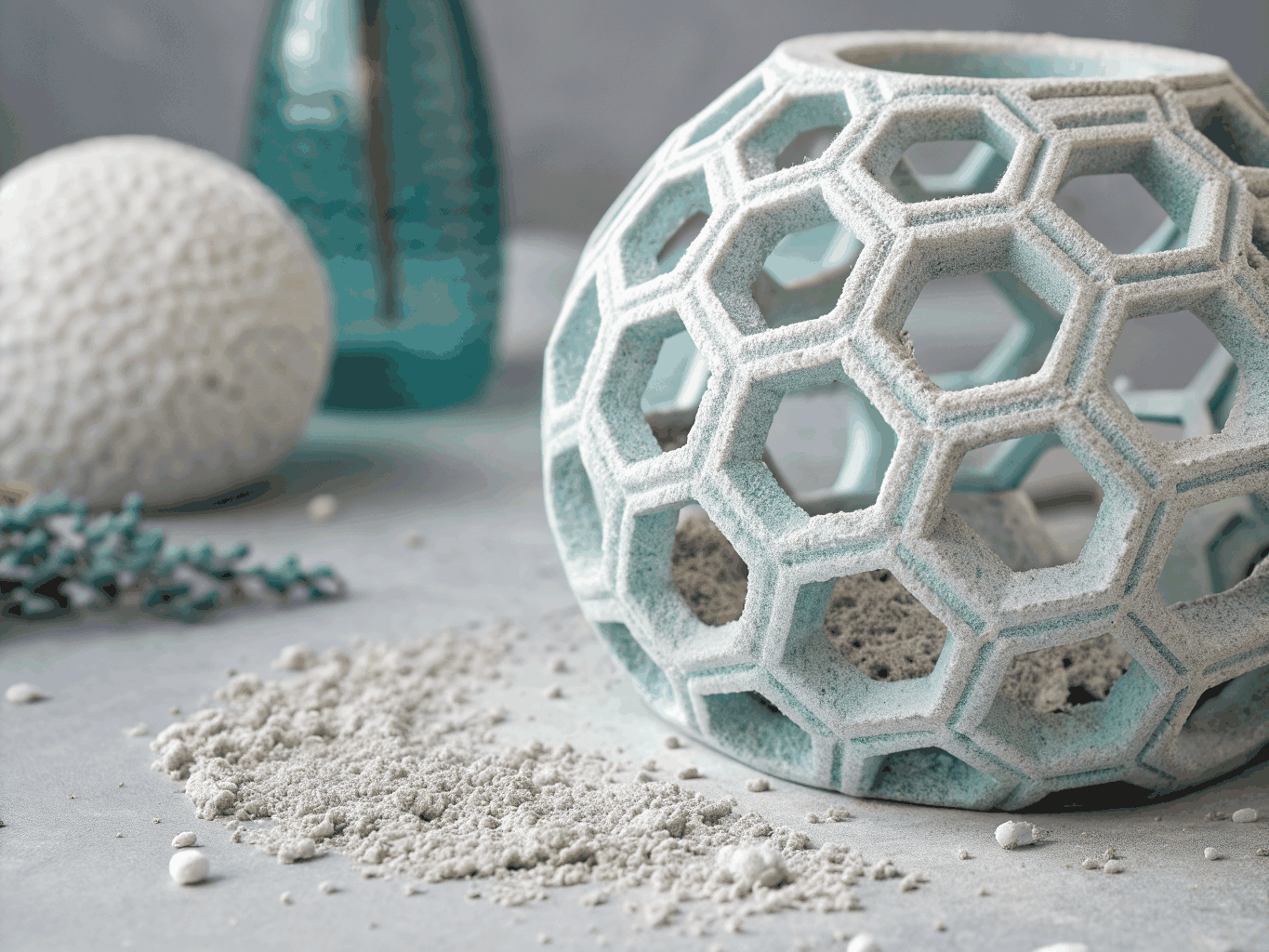
Field-proven stainless steel filter constructions for high-performance separation.
Key Selection Factors
Evaluate these five engineering criteria prior to specifying mesh configurations.
Alloy grade for corrosive process media
Match operating media (chlorides, acids, hot alkalis) with AISI 304, 316L, 904L, Duplex 2205, or Nickel-alloys to prevent pitting and stress crack failures.
Temperature and pressure rating
Verify maximum continuous operating temperature, peak surge pressure, and reverse backwash pressure differential across the filter septum.
Structural integrity under thermal cycling
Evaluate diffusion bond strength and wire junction retention when systems alternate rapidly between process heat and ambient cleaning cycles.
Chemical compatibility and cleaning protocols
Ensure media inertness during caustic CIP baths, solvent washing, ultrasonic agitation, and high-pressure steam sterilization without pore migration.
Custom fabrication fit to OEM equipment
Strict tolerance control on outer collars, pleated dimensions, weld seam finishes, and end fitting interfaces for direct field installation.
Consult an applications specialist
Send your fluid properties, differential pressure thresholds, and drawing files to MutualFilter engineering.
Specify mesh for your exact operating conditions
Share your target aperture, alloy grade, and dimensions — our technical team reviews tolerances and provides detailed quotations within 24 hours.