Plastic recycling filtration
Recycled and post-consumer plastics carry high contaminant loads that must be filtered continuously during melt reprocessing without stopping the line.
Our stainless steel screen packs and sintered wire mesh maintain uniform melt pressure under extreme mechanical stress. Engineered apertures capture degraded polymers, paper fibers, and metal flecks to protect downstream dies.
High pressure resistance
Calibrated rating range
Minimal screen change downtime
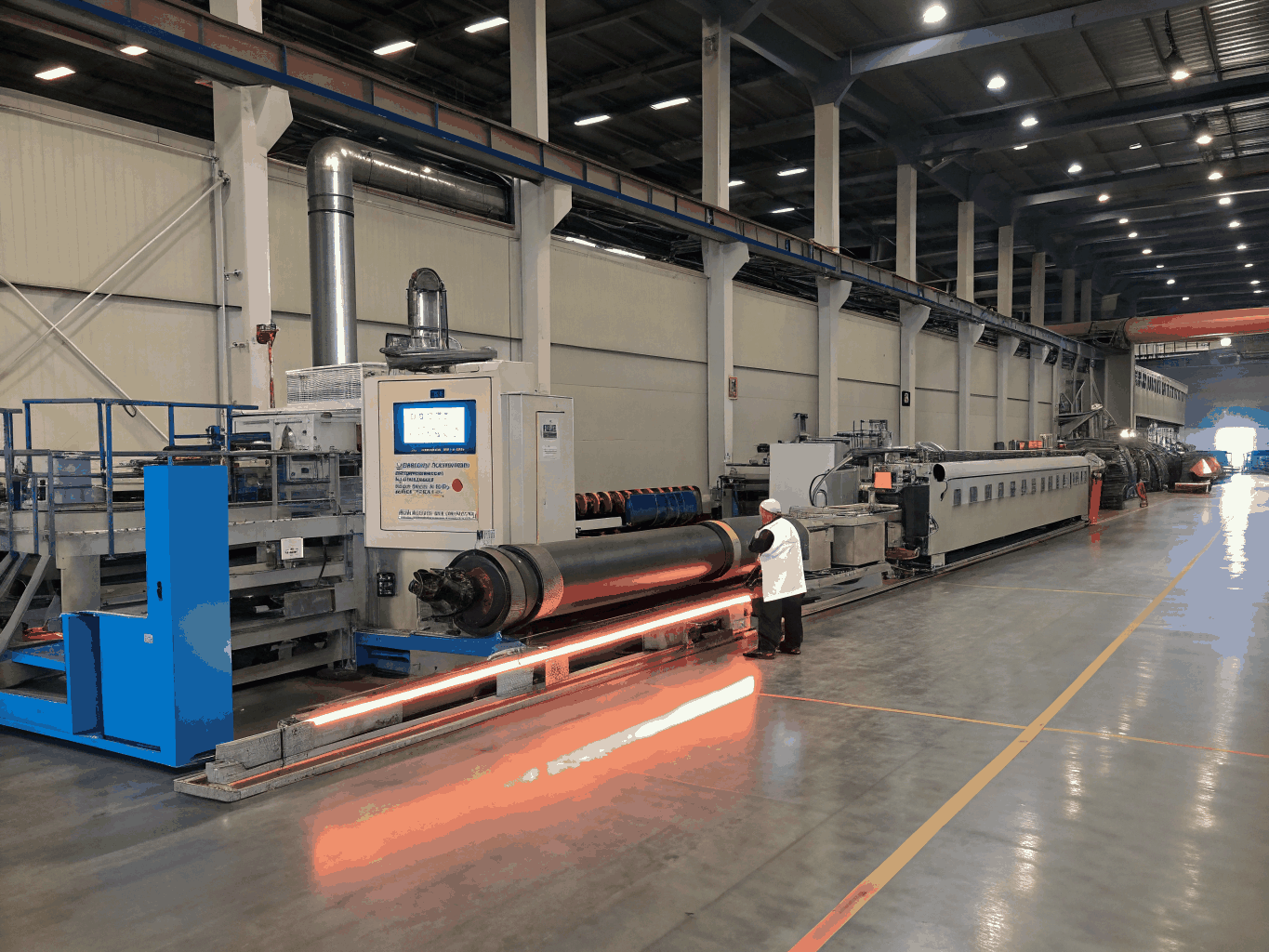
Overview
Polymer melt filtration in post-industrial and post-consumer circular recovery.
Continuous polymer melt filtration plays a vital role in processing heavily contaminated recycled and post-industrial resins. During continuous compounding, sheet extrusion, and pelletizing, molten thermoplastics transport abrasive mineral dust, degraded black specks, un-melted gels, and metallic residues directly into the screen changer.
Capturing these non-melting contaminants under sustained head pressures requires precise aperture uniformity and rigorous mechanical reinforcement. Our dedicated wire mesh packs maintain high volumetric throughput without screen blowout, allowing recycling extruders to stabilize line pressures and protect downstream melt pumps and pelletizers.
Filtration Requirements
Standard technical parameters engineered for reliable extrusion line performance under extreme differential pressures.
Engineered plain dutch, twilled dutch, and sintered screen packs tailored to target particulate cutoff and melt viscosity.
High-tensile square wire support grids protect fine control layers from extrusion pressure spikes and deformation.
Specialty metallurgies formulated to resist abrasive mineral fillers, glass fibers, and corrosive degradation products.
Low flow-resistance wire geometries minimize head pressure loss across continuous screen changers and backflush cycles.
Need a custom screen pack configuration?
We supply multi-layer spot welded packs, rimmed discs, and continuous belt screens.
Solutions & Product Options
Industrial-grade screen packs, sintered porous composites, and precision wire mesh configured for heavy extrusion and fine particle separation.
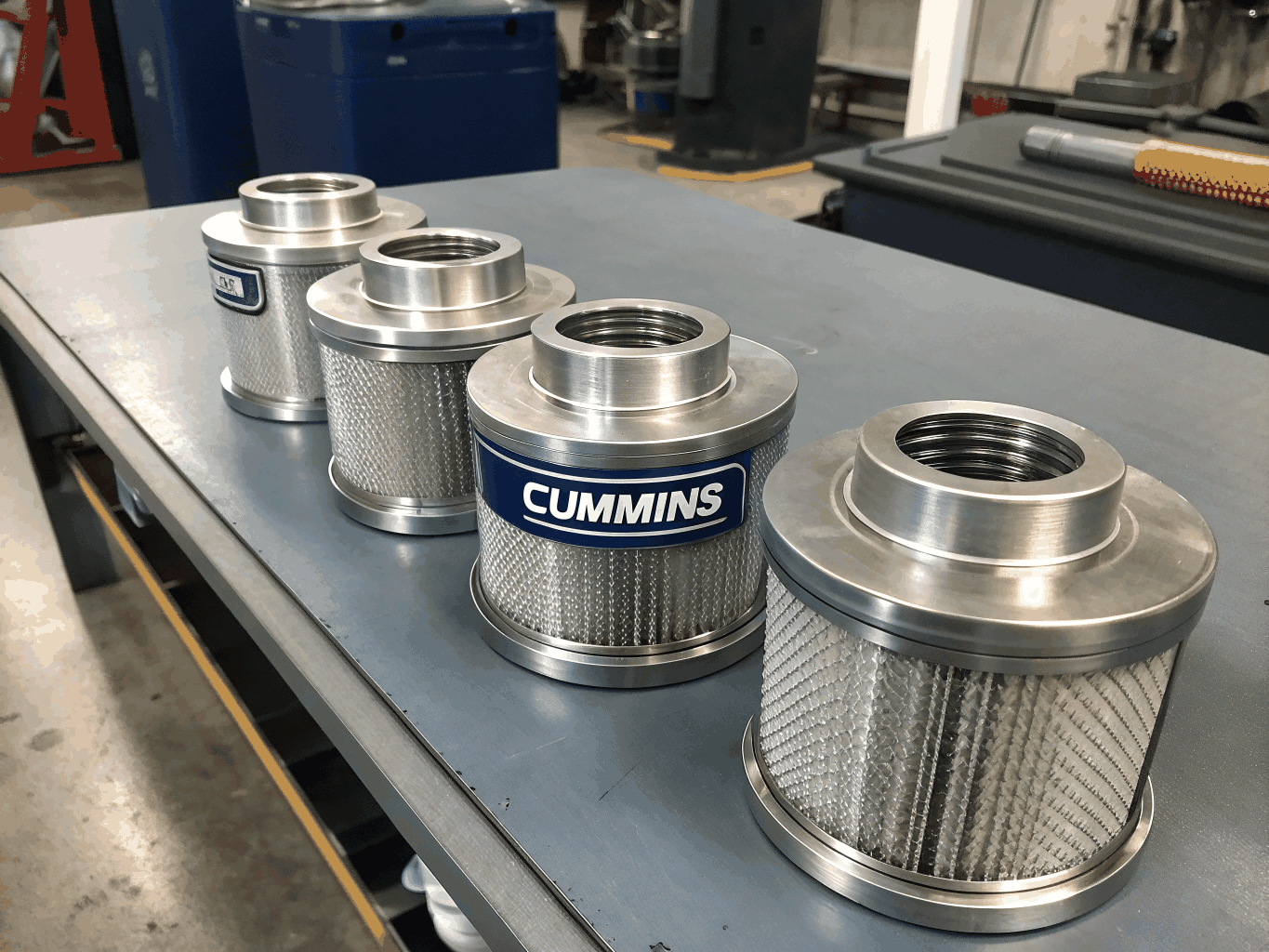
Engineered multilayer spot-welded packs and continuous auto-screen belt coils for polymer extrusion.
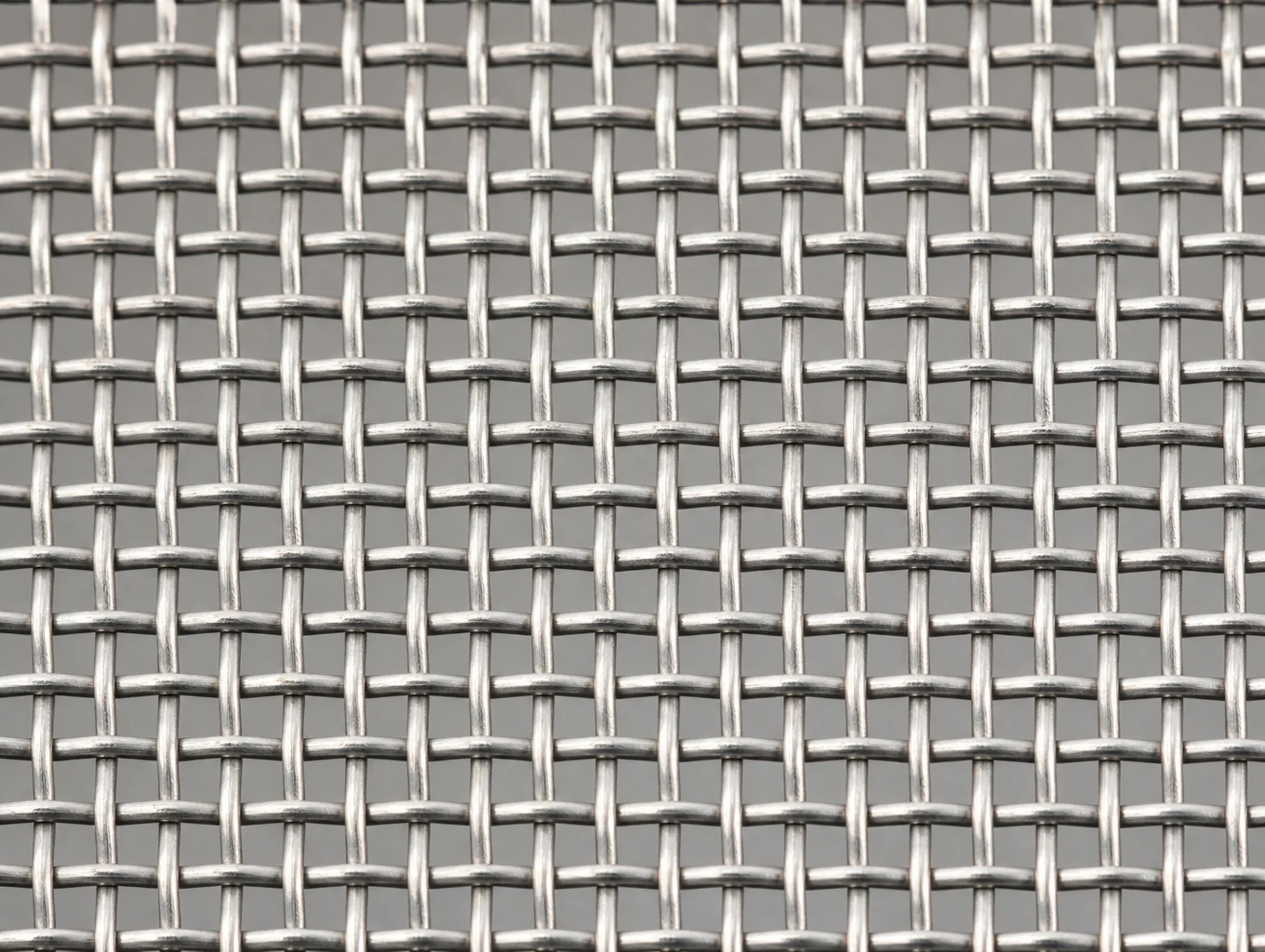
Diffusion-bonded multilayer construction featuring high mechanical rigidity and zero wire migration.
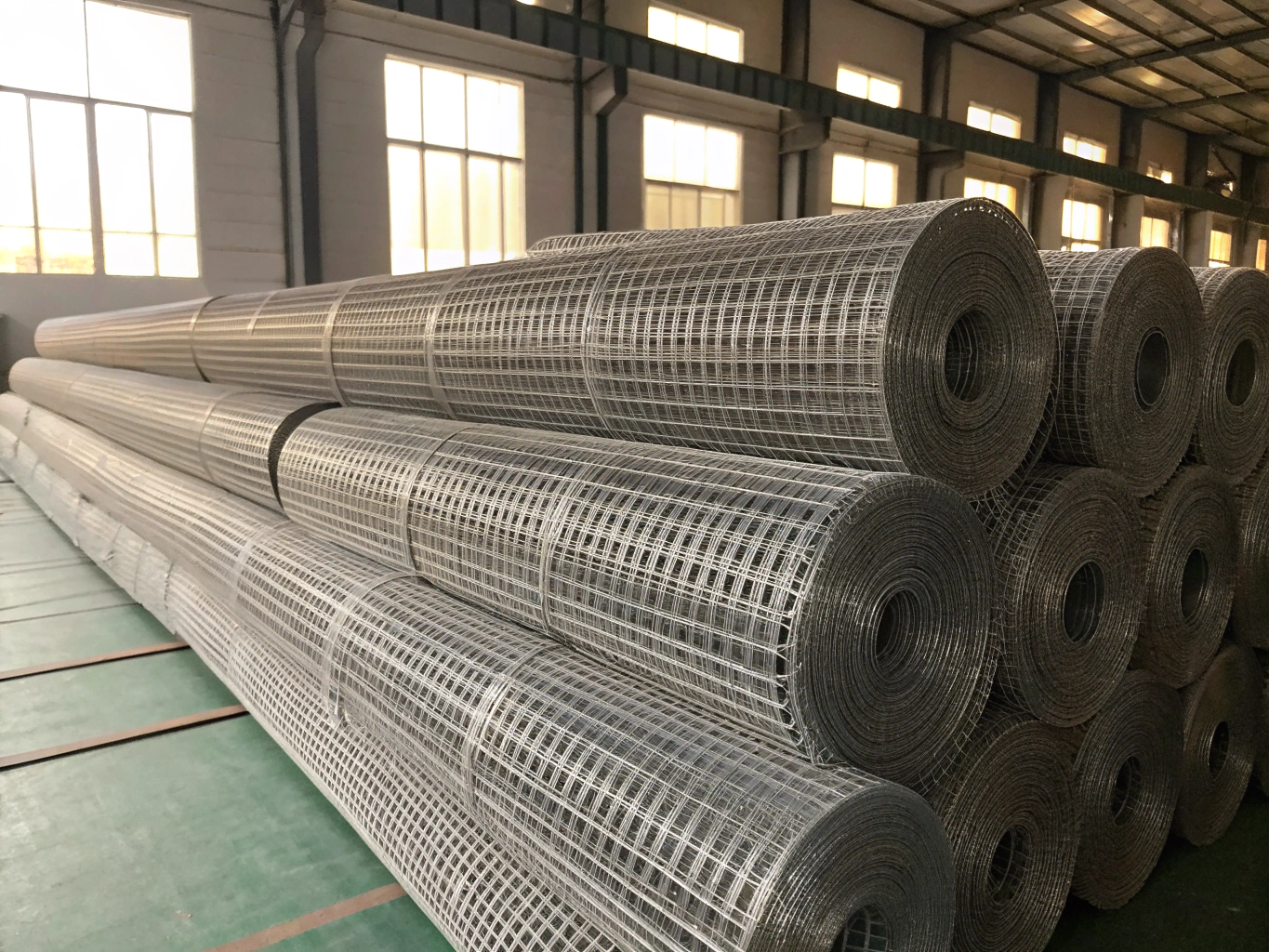
Precision square and Dutch weave configurations for high-flow hydraulic, gas, and particulate separation.
Key Selection Factors
Evaluate operating pressure differential, abrasion profile, and continuous melt changeover criteria prior to ordering.
Burst & Tensile Strength
Withstands differential melt pressures without wire deflection, media displacement, or weld fatigue under extreme bar loads.
Dirt-Holding Capacity
Three-dimensional tortuous depth paths extend on-stream life and prevent premature pressure escalation across cycles.
Resistance to Abrasive Contaminants
Reinforced surface wire gauges and sintered surface bonds counteract cutting wear from mineral fillers and recycled regrind.
Ease of Screen Changeover
Uniform outside diameters and laser-cut edges ensure clean chamber seating, preventing polymer bypass around the breaker plate.
Alloy Grade for Corrosive & Abrasive Feed
Standard 304, 316L, and superalloys (Hastelloy C-276, Inconel 625, 904L) for aggressive chemical solvents and high thermal cycles.
Need Custom Mesh Sizing?
Our engineers verify flow rates, wire diameter ratios, and alloy metallurgy directly against your CAD/process prints.
Mesh solutions configured to your exact operating conditions.
Send your target alloy, aperture dimensions, and flow requirements to our engineering desk for verified drawings, samples, and volume pricing.
Screening, separation, or high-flow liquid & gas filtration
AISI 304, 316L, 904L, Hastelloy, and specialty duplex grades
Square weave, plain Dutch, twill Dutch, and sintered multi-layer
Precision slit coils, custom stamped discs, cylinders, or packs
Validated for pressure differential, thermal load, and corrosive media
ASTM E2016 and ISO 9044 compliant inspection with 3.1 mill test certificates.